

I am a Local, Regional, or State Government or Organizational Representative:
Disaster Preparedness
 For Local Governments
Unlike some disasters, there are no advance warnings for most biological disasters due to their unpredictability. However, there are still actions that Local Government Representatives can do regularly and routinely that can help prepare their community in the event of a biological disaster.
- Identify, Evaluate, and Document Resources
- Keep an up-to-date list of all local resources listed in the Virginia Landmarks Register and the National Register of Historic Places, as well as all local easement properties
- Identify areas or resources that may be most vulnerable to damage from biological disasters (pandemics, mold outbreaks, or chemical emergencies)
- Evaluate their needs and consider if there are actions that could reduce their vulnerability to damage from biological hazards.
- Document their current conditions.
- Utilize historic resource surveys to document areas or resources before an event strikes.
- Pre-disaster documentation through historic resource surveys not only provides a locality with an inventory of historic resources, but can provide a point of comparison for post-disaster damage assessments.
- Include vulnerability assessments as part of the survey to better understand which resources or areas are most vulnerable to threats such as pandemics, mold, or chemical emergencies.
- Encourage owners of historic properties to document their properties and engage in regular maintenance/ disaster preparedness actions.
- Be familiar with your local Hazard Mitigation Plan, and how Cultural and Historic Resources are addressed.
- Update your locality’s Hazard Mitigation Plan as needed to adequately address Cultural and Historic Resources
- Update regional and state cultural resource professional contact list
- Develop a system for addressing Cultural and Historic Resources post-disaster, such as a priority matrix or tiered system.
 For Museums, Cultural Institutions, or Other Organizations
Similar to property owners and local government representatives, staff, volunteers, and board members of cultural institutions and museums, who are responsible for ensuring proper stewardship of their collections and facilities, should evaluate and assess their risk for potential disasters and develop a plan for mitigating potential impacts. The unpredictability of biological disasters can be particularly devastating to priceless museum collections and sites that are open to the public.
Cultural institutions and museums should take the following steps to prepare for future biological disasters:
- Evaluate and assess risk.
- What are the most at-risk objects or collections? Creating a ranking system for prioritizing protection and implementation of needed retrofits should be considered.
- Institute routine practices such as:
- Disinfect high contact areas (doorknobs, light switches, interactive exhibits) multiple times a day
- Set up hand washing or sanitation stations and routinely check that they are adequately supplied
- Consider digitizing everything possible to allow for remote access/ visiting if the institution is required to close as the result of a disaster.
- Develop a plan for budgeting and saving for operational continuity and/or repairs and damages not covered by insurance.
- Develop a plan, train staff, volunteers and board members of use of the plan, and PRACTICE using the plan. Utilize the resources below to develop your plan.
Disaster Recovery
For Local Governments
After a biological disaster, enact and follow your locality’s Hazard Mitigation Plan and any Emergency Response Procedures. Once it is safe to do so, the following steps can be used to guide you through the disaster recovery process:
- Follow the direction provided in your locality’s Hazard Mitigation Plan for how to address Cultural and Historic Resources that are affected by biological disasters.
- If your locality’s Hazard Mitigation Plan does not address Cultural and Historic Resources, continue following the recommended steps below.
- Identify resources that have been affected by the biological hazard.
- This may be accomplished through a survey (conducted by locality staff and/or professional consultants), and/or through property owner submissions
- Cross reference the list of affected resources with your locality’s list of historic resources protected by easement and/or listed on the Virginia Landmarks Register and/or the National Register of Historic Places.
- Create a checklist, or use this sample, to help guide your locality’s actions following a biological disaster.
- Share information and resources with your community for what to do with their historic properties following a biological disaster.
- Types of information and resources could include: checklists, recommended professionals, or opportunities for assistance.
- Identify state/ federal opportunities for disaster recovery assistance for historic resources. Contact DHR and/or submit information using the Disaster Recovery Survey Form.
For Museums, Cultural Institutions, or Other Organizations
In the event of a biological disaster, cultural institutions and museums should follow safety guidelines from their locality and the Virginia Department of Emergency Management:
- https://www.vaemergency.gov/threats/health-threats
- https://www.vaemergency.gov/threats/chemical-emergencies
Once it has been determined that it is safe to return to your facility, the following steps can be taken to begin the recovery process:
- Assess the impact and any damage to the facility. Ensure it is safe to access.
- Document any damage to facility, collections, and/or exhibit spaces.
- Implement your organization’s Disaster Preparedness and Recovery Plan.
General Resources
See the Virginia Department of Emergency Management’s website for information on what to do during a pandemic, mold, or chemical emergency:
- https://www.vaemergency.gov/threats/health-threats
- https://www.vaemergency.gov/threats/chemical-emergencies
State and Federal agencies to contact post-disaster for assistance:
- VDHR: Megan Melinat (melinat@dhr.virginia.gov; 804-482-6455)
- FEMA Region 3
- Virginia Department of Emergency Management
See FEMA’s website for more information about:
- Biological Incidents: https://www.fema.gov/cbrn-tools/key-planning-factors-bio
- Mold: https://www.fema.gov/fact-sheet/mold-problems-and-solutions#:~:text=If%20your%20home%20has%20mold,part%20in%20disaster%20cleanup%20work.
- Chemical Incidents: https://www.fema.gov/cbrn-tools/key-planning-factors-chemical
NPS Preservation Brief 39: Holding the Line: Controlling Unwanted Moisture in Historic Buildings: https://www.nps.gov/orgs/1739/upload/preservation-brief-39-controlling-moisture.pdf
NCPTT Disaster Preparedness and Recovery of Cultural Resources: https://www.nps.gov/subjects/ncptt/disaster-preparedness-and-recovery-of-cultural-resources.htm
Resources for Museums & Cultural Institutions & Organizations
For more information about how to care for and safely clean collections, visit the cultural heritage website: https://www.culturalheritage.org/resources/emergencies/collections-care-amid-covid-19
FEMA 533: Before and After Disasters: Federal Funding for Cultural Institutions: https://www.arts.gov/sites/default/files/DisasterRecovery.pdf
Smithsonian Cultural Rescue Initiative Resources: https://www.culturalrescue.si.edu/resources/preparedness
American Alliance of Museums: Facilities & Operations Resources: https://www.aam-us.org/topic/facilities-operations/
Virginia Association of Museums Disaster Response Resources: https://www.vamuseums.org/disaster-response-resources
dPlan|ArtsReady Emergency Preparedness and Response Tool: https://www.dplan.org/
NPS Museum Handbook, Part 1, Chapter 10: Emergency Planning: https://www.nps.gov/museum/publications/mhi/Chap10.pdf
Cemetery Disaster Planning (Chicora Foundation, Inc.): http://www.chicora.org/pdfs/Cemetery%20Disaster%20Planning.pdf
 I am a property owner:
Is my property designated as historic?
- Not all old buildings and structures are considered historic. When evaluating if a resource is historic the following criteria are considered:
- Is the resource at least 50 years old?
- Does it have integrity of location, design, setting, materials, workmanship, feeling, and association?
- Does it have significance in history, architecture, archaeology, engineering, and/or culture?
- Is it individually listed on the Virginia Landmarks Register or National Register of Historic Places?
- Not sure? Click HERE to search for your property.
- Is it protected by an historic preservation easement?
- Not sure? Click HERE for information on easements and how to determine if your property is protected by an historic preservation easement.
- Is it within a local historic district and/or locally recognized as an historic resource?
- Not sure? Click HERE to search for your neighborhood, or contact your local officials.
Is there survey data held by DHR on the property?
- While this does not mean a property is historic, it is useful to know if your property has been part of an historic resource survey. Data from an historic resource survey creates a record of the property’s conditions and known history and can assist with disaster planning and recovery.
- Not sure? Click HERE to search the VCRIS Map Viewer for your property, or contact VDHR.
- If you would like to provide information on an unrecorded resource, contact DHR’s Architectural Survey Manager, Mae Tilley: mae.tilley@dhr.virginia.gov; 804-482-6086
Disaster Preparedness
Unlike some disasters, there are no advanced warnings for most biological disasters. However, there are still things a property owner can do regularly and routinely that can help prepare their property in the event of a pandemic, mold, or chemical emergency.
Depending on the severity of the disaster, a range of damage levels may occur to a property, either directly from the hazard or due to closures. Common types of damages include (but are not limited to):
Structural Damage
Depending on the length of a closure and limited access to buildings, a building or structure may be at risk of structural damage from wear and natural causes. The level of risk may be dependent on the building’s construction methods and materials, and its condition at the time of the event. Older buildings and those with previous damage are at a higher risk of structural damage during closures. Closures can also result in failure to provide regular maintenance checks and repairs, potentially leading to unattended malfunctions and structural damage. Additionally, chemical incidents may lead to the release of corrosive substances that can eat away at certain structural materials. Buildings containing materials such as limestone, marble, or metal may be at higher risk of structural damage from acidic chemicals due to their composition.
An inspection of your historic building can help you determine what actions, if any, should be taken to help protect your property from damage due to the impacts of a biological disaster. The Virginia Existing Building Code provides requirements and flexibility for historic buildings in Chapter 9: Historic Buildings.
To ensure historic materials are handled and repaired appropriately, consult the National Park Service (NPS) Preservation Briefs that apply to the damaged material for guidance on preservation best practices: https://www.nps.gov/orgs/1739/preservation-briefs.htm.
Mold or Moisture Damage
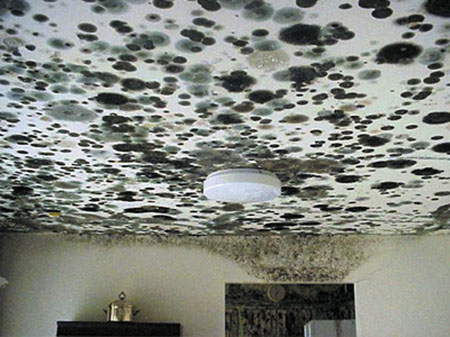
Mold may develop due to prolonged moisture exposure during closures. Heavy rains and leaks can lead to the buildup of water, fostering an environment for mold or bacteria to grow. Buildings with exposed damage and those in areas with high rainfall or flooding may be more susceptible mold growth. The inability to access buildings due to closures can prevent the detection of moisture and mold. This mold growth can become a health hazard and even cause physical damage by deteriorating certain building materials. Buildings composed mostly of wood are at a higher risk of mold causing structural damage, as it is an organic material that mold can feed on.
Buildings should be routinely inspected for signs of mold and moisture damage. Inspections can also help you determine what actions, if any, should be taken to protect your property from future mold and moisture damage. Routine maintenance such as removing organic material (vegetation) away from the building, ensuring gutters and downspouts function properly and direct water away from the building, and checking the property’s grading to ensure it promotes waterflow away from the building are a few ways to help reduce the risk of moisture damage. In the event of moisture or mold damage, consult the National Park Service (NPS) Preservation Briefs that apply to the damaged material for guidance on preservation best practices and to ensure historic materials are handled and repaired appropriately: https://www.nps.gov/orgs/1739/preservation-briefs.htm.
Pests/Infestations
Infestations may occur as a result of buildings left unattended during closures caused by biological disasters. Animals may seek shelter within vacant buildings, attracted by food sources or seeking refuge, and extended closures may result in failure to complete routine pest inspections. Structures with exposed entry points or stored food are more vulnerable to infestations. Failure to secure all potential entryways and food supplies increases the likelihood of organisms entering the building. Furthermore, infestations may to lead further damage from consuming items in collections and/or the structure itself.
Regular inspections of your historic building can help you determine what actions, if any, should be taken to help protect your property from pests and other animal infestations. If building materials are damaged as a result of pests or other infestations, consult the National Park Service (NPS) Preservation Briefs that apply to the damaged material for guidance on preservation best practices to ensure historic materials are handled and repaired appropriately: https://www.nps.gov/orgs/1739/preservation-briefs.htm.
Use the VDHR Disaster Planning Checklist to help prepare your property for disasters.
Although you don’t have an advance warning of a biological disaster, this checklist could be used for regular/periodic checks of a home to help better prepare it in the event of a pandemic, mold, or chemical emergency. It is recommended that property owners complete these checks (including updating supplies and other emergency preparedness actions) at least once a year. Additionally, priority lists should be made to document the value/significance of items to help determine the steps to recovery after a disaster.
Periodically document the conditions of your property; this will allow for comparisons/repairs/etc. post-disaster if an unanticipated disaster such as a pandemic, mold, or chemical incident.
Review your insurance policy annually to make sure you have adequate coverage in the event of a disaster.
Disaster Recovery
In the event of a biological disaster, property owners should follow safety guidelines from their locality and the Virginia Department of Emergency Management:
- https://www.vaemergency.gov/threats/health-threats;
- https://www.vaemergency.gov/threats/chemical-emergencies
Once it has been determined that it is safe to return to your property, the following steps can be taken to begin the recovery process:
- Contact local officials to inquire about recovery efforts
- Document damage to your property; if damage is severe, and/or if there are safety concerns, have a professional assess your property and document.
- Note: health and safety should be prioritized during the recovery process. Return to your property and documentation should occur only if health and safety concerns have been properly addressed. Consult a professional for additional guidance as needed.
- Use the VDHR Checklist to help guide you through the recovery process.
- This NPS Checklist can also be used to help guide you through the recovery process for a pandemic.
- This NPS Checklist to help guide you through the recovery process for mold.
- If your property is historic, provide pre- and post-disaster photos and damage information to VDHR by contacting Megan Melinat (megan.melinat@dhr.viginia.gov; 804-482-6455) and/or submit information using the Disaster Recover Survey Tool
- If your property is located in a locally-designated historic district, contact local officials to determine whether a certificate of appropriateness is required.
- Do not throw away any broken/ damaged components of your building/property. These may be able to be repaired, reused and/or referenced to replace materials and features in-kind.
- Contact your insurance provider to report any damage and file a claim if necessary. Ask about any documentation they require before you begin clean-up or repair work.
Resources
For post-disaster assistance, contact: Megan Melinat (megan.melinat@dhr.virginia.gov; 804-482-6455)
For information about what to do during a biological disaster, visit the Virginia Department of Emergency Management’s website: https://www.vaemergency.gov/threats/health-threats; https://www.vaemergency.gov/threats/chemical-emergencies
NPS Disaster Planning for Preservation Checklist: http://npshistory.com/brochures/hp-disaster.pdf
NPS Cultural Resource Preservation for mold-related damage: https://www.nps.gov/articles/000/preservation-matters-disasters-mold-on-cultural-resources-and-collections.htm
Conservation Center for Art & Historic Artifacts (CCAHA) Disaster Response for mold: https://ccaha.org/sites/default/files/attachments/2019-09/Mold%20Technical%20Bulletin%202019_GM.pdf
NPS Conserve O Gram for identifying pest damage from insects: https://www.nps.gov/museum/publications/conserveogram/03-11.pdf
NPS Conserve O Gram for treating infested cultural resources: https://www.nps.gov/museum/publications/conserveogram/03-09.pdf
NCPTT Disaster Preparedness and Recovery of Cultural Resources: https://www.nps.gov/subjects/ncptt/disaster-preparedness-and-recovery-of-cultural-resources.htm
[1] United Nations Office for Disaster Risk Reduction, “Hazard,” https://www.undrr.org/terminology/hazard (accessed 15 May 2024); United Nations Office for Disaster Risk Reduction, “Biological Hazards Risk Assessment”, https://www.preventionweb.net/files/52828_05biologicalhazardsriskassessment.pdf (accessed 15 May 2024); National Library of Medicine, “The classical definition of a pandemic is not elusive”, https://www.ncbi.nlm.nih.gov/pmc/articles/PMC3127276/ (accessed 31 May 2024); Environmental Protection Agency, “Indoor Air and Coronavirus (COVID-19)” https://www.epa.gov/indoor-air-quality-iaq/indoor-air-and-coronavirus-covid-19#:~:text=Spread%20of%20COVID%2D19%20occurs,exercise%2C%20coughing%2C%20sneezing (accessed 15 May 2024).
[1] Johns Hopkins University of Medicine Coronavirus Resource Center, “Virginia” https://coronavirus.jhu.edu/region/us/virginia (accessed 15 May 2024).