Historic Preservation at the Federal and State Levels: Review and Compliance

DHR’s Review and Compliance Division evaluates federal and state projects that may impact historic and cultural resources, as well as provides recommendations for protecting and preserving these resources. Read on to learn more about this integral team at DHR.
By Samantha Henderson | DHR Review and Compliance Division Director
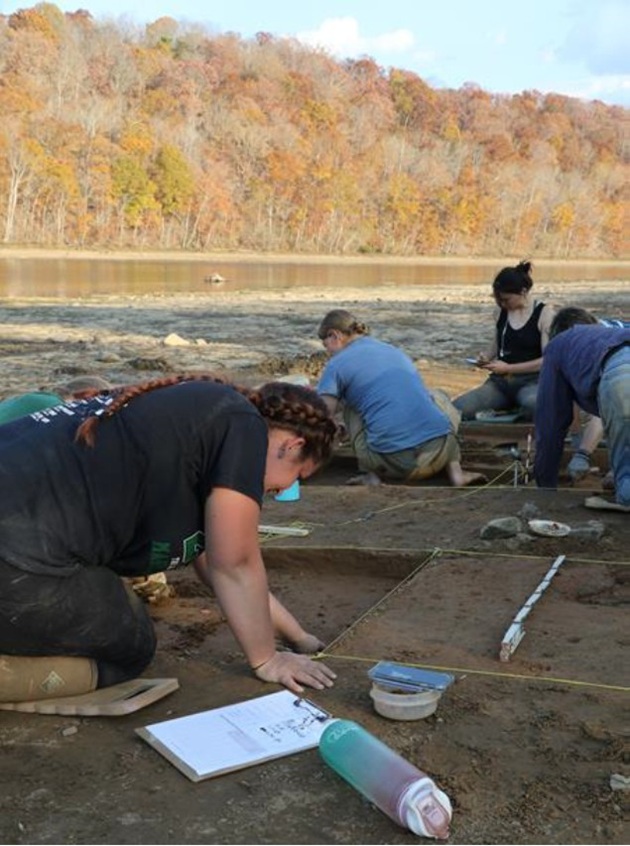
DHR’s Review and Compliance Division (RCD) is responsible for reviewing projects under both Federal and State regulations for potential impacts for Virginia’s historic resources and plays an important role in advocating for consideration of historic properties through the Division’s review of over 2,000 Federal and State projects annually. RCD also issues permits to conduct archaeological investigations on state land and provides technical guidance to the public, preservation partners, localities and project proponents on Federal and State laws and regulations, best practices for treatment of historic properties, and potential impacts to Virginia’s historic resources. RCD’s staff of six reviewers—archaeologists and architectural historians—promote a pragmatic balance between project needs and historic preservation goals to ensure compliance with Federal and State law.
Under Section 106 of the National Historic Preservation Act and a variety of provisions within the Commonwealth of Virginia code, RCD is responsible for performing a key advisory role in assisting Federal and State agencies in understanding the impacts of their projects on historic properties. Section 106 of the National Historic Preservation Act of 1966 directs federal agencies to take into account the effects of their undertakings on historic properties eligible for listing in the National Register of Historic Places, and to do so with input from the State Historic Preservation Office (which in Virginia is DHR). Major state projects, initiatives that may physically impact a registered Virginia Landmark, and the demolition or sale of state property must also be coordinated with DHR. RCD advises these agencies as they complete the requirements under Federal and State law to identify and consider how projects will impact Virginia’s historic resources. RCD staff also provide guidance on how to avoid, minimize, and, if necessary, mitigate potential adverse impacts to historic resources.
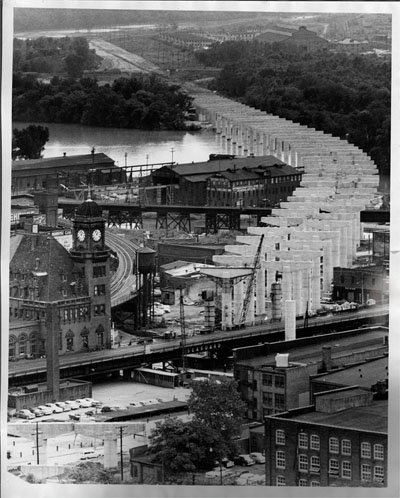
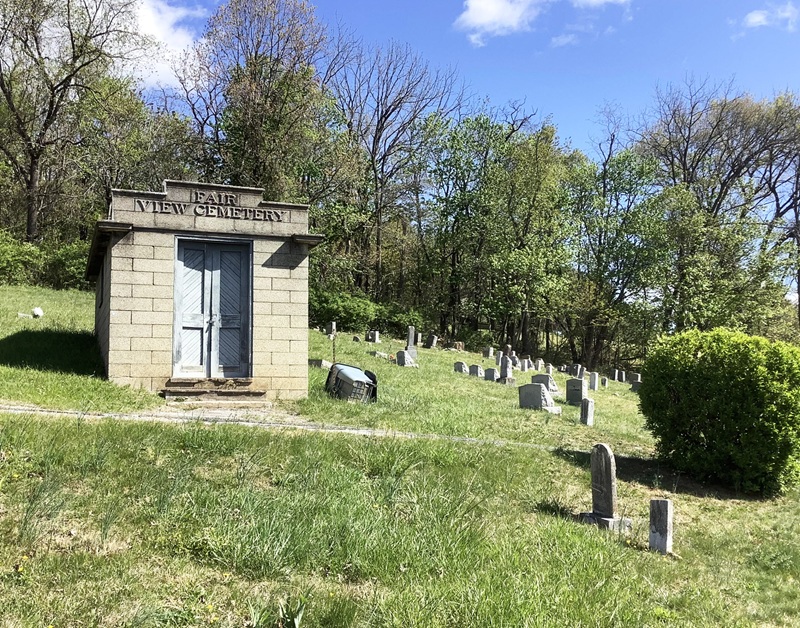
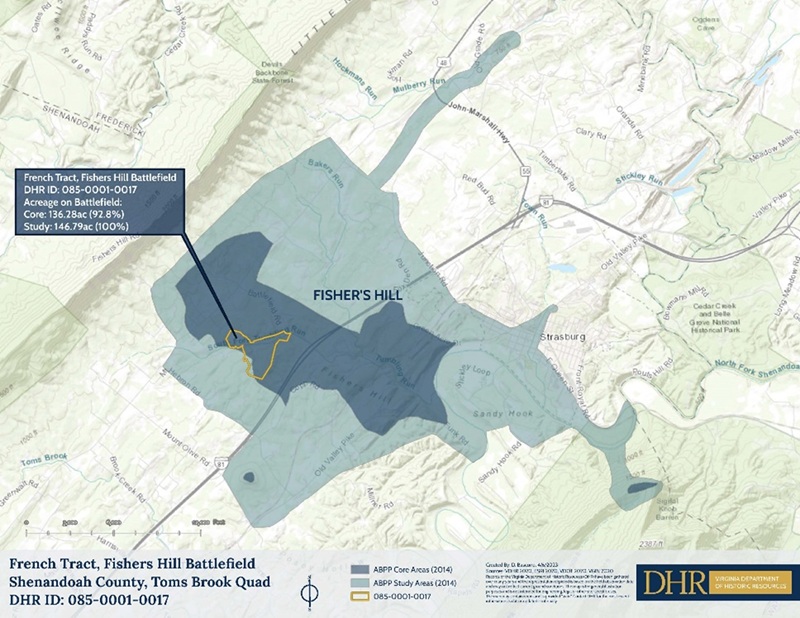
RCD reviewed projects have resulted, and continue to result, in the identification and evaluation of a majority of historic properties recorded in Virginia. Every year RCD staff review hundreds of archaeological and architectural survey reports; provide recommendations regarding the eligibility of buildings, sites, structures, historic districts, and objects recorded in those investigations for listing in that National Register of Historic Places and the Virginia Landmarks Register; and provide recommendations regarding the potential impacts of proposed Federal and State projects on those resources. RCD staff’s work covers the entirety of Virginia. RCD staff review everything from data centers to affordable housing, window replacements in historic homes to the management of military bases. To read about an example of the variety of projects in which RCD staff are involved, check out our article, "The Monroe Tomb and the Significance Behind Eliza Monroe Hay’s Reinterment in Richmond".
In the past year, RCD has hired two new staff members, architectural historian Sherry Teal and archaeologist Charde Reid and a new Division Director, Sam Henderson. In the coming year, in addition to the work RCD staff will continue to do every day to uphold their role in Federal and State review, the Division is seeking to make improvements to RCD’s online project review submission portal (ePIX). The Review and Compliance Division serves as a voice for Virginia’s historic properties in Federal and State projects, advocates for the inclusion of the public, stakeholders, and others in the review of impacts to historic properties, and helps agencies ensure historic preservation goals are part of their decision-making process.