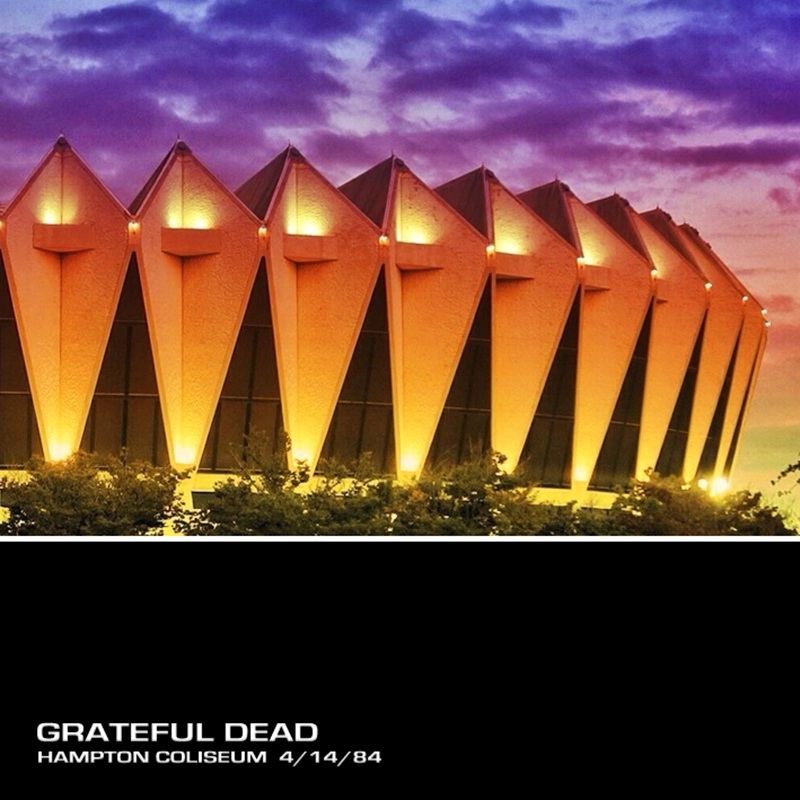
Bob Weir’s recent passing brings to mind many memorable performances by the Grateful Dead and Phish, and some more traditional forms of Virginia History, at their so-called Mothership, Hampton Coliseum.
By Matt Gottlieb | DHR Highway Marker Program Research Assistant
A building can provide many windows into Virginia’s history. Consider Hampton Coliseum, which opened its doors in 1969. The arena gives us an angle on the role of women. Ann Hitch Kilgore, mayor of Hampton during its 1966 approval (the Daily Press calling her “Mayor Mrs. Edwin C. Kilgore”) and its 1970 dedication, championed the project as other regional governments dropped out. Or we can look at labor: Large rallies took place at the Coliseum when Newport News shipyard workers voted to unionize in 1978. And of course, we can talk its Space Age architecture. I’ll let DHR’s experts debate how to categorize the architecture. (Space age? Modern? Post-modern? Brutalism? A Googie-inspired mix of all of the above?) Astute observers could delve into its long-running jazz festival, a 1981 pioneering pay-per-view concert by the Rolling Stones, or future Wonder Woman star Lynda Carter winning the 1972 Miss World USA pageant.
But the recent death of Grateful Dead founding member Bob Weir brings something else to mind. And if you don’t believe us, take a gander at the Internet, from academic databases to social-media platforms. Jam band devotees hold Hampton Coliseum with awe, nicknaming the arena the Mothership. The rock genre, which features improvisational changes, multiple musical influences (such as jazz, folk, and country), and extended songs, notoriously divides fans. Those who love it cannot get enough, following bands from city to city. Others are befuddled by all the fuss. Hampton’s general-admission seating, intimate size, evocative setting, and good acoustics give it a special place. Back in 1999 Phish’s Trey Anastasio praised the Coliseum’s sound to Rolling Stone, adding, “The beat-up old arenas have so much more of a vibe than the new ones with all their luxury boxes.”
The pioneering jam band the Grateful Dead played 21 acclaimed concerts in Hampton between 1979 and 1992. The genre’s emphasis on improvisation creates a hit-or-miss feel to concerts, and the Coliseum drew strong performances. The band’s most devoted fans, known as Deadheads, knew they had something special. One 1981 outing gave birth to the arena’s nickname. The Virginian-Pilot rock reporter and reviewer John Colt compared the building with “an intergalactic Mothership loaded with 14,000 lunatics headed for the edge of the universe.” In 1986, the Dead played its iconic “Box of Rain” for the first time in 13 years and sent the Deadheads into euphoria. Three years later, the band—performing semi-secretly as the Warlocks—broke out “Dark Star” after a five-year hiatus.
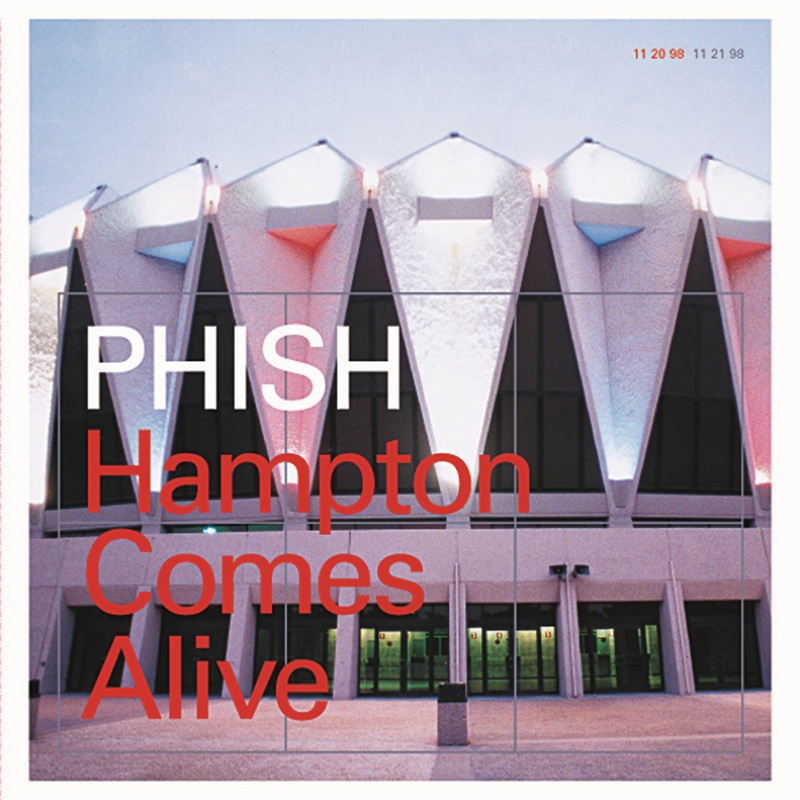
Phish, in many ways the Dead’s successor, built an even bigger attachment with the Mothership. Single-night shows in the mid-1990s turned into multi-night stands later in the decade. The attachment association became intense by 1999. A performance the previous year was released as a box set called Hampton Comes Alive, and then a two-evening stand began a three-year absence from touring. When Phish revived on-stage performances, they played for three nights in Hampton after an initial gig at Madison Square Garden in New York. The Mothership was the venue when Phish ended another hiatus in 2009. The band has played 27 shows at Hampton, with the most recent three sold-out performances this past September. While we cannot figure if Mayor Kilgore envisioned such a reputation 60 years ago, her successors embrace it. The city declared this past September 21 as Phish Day.