
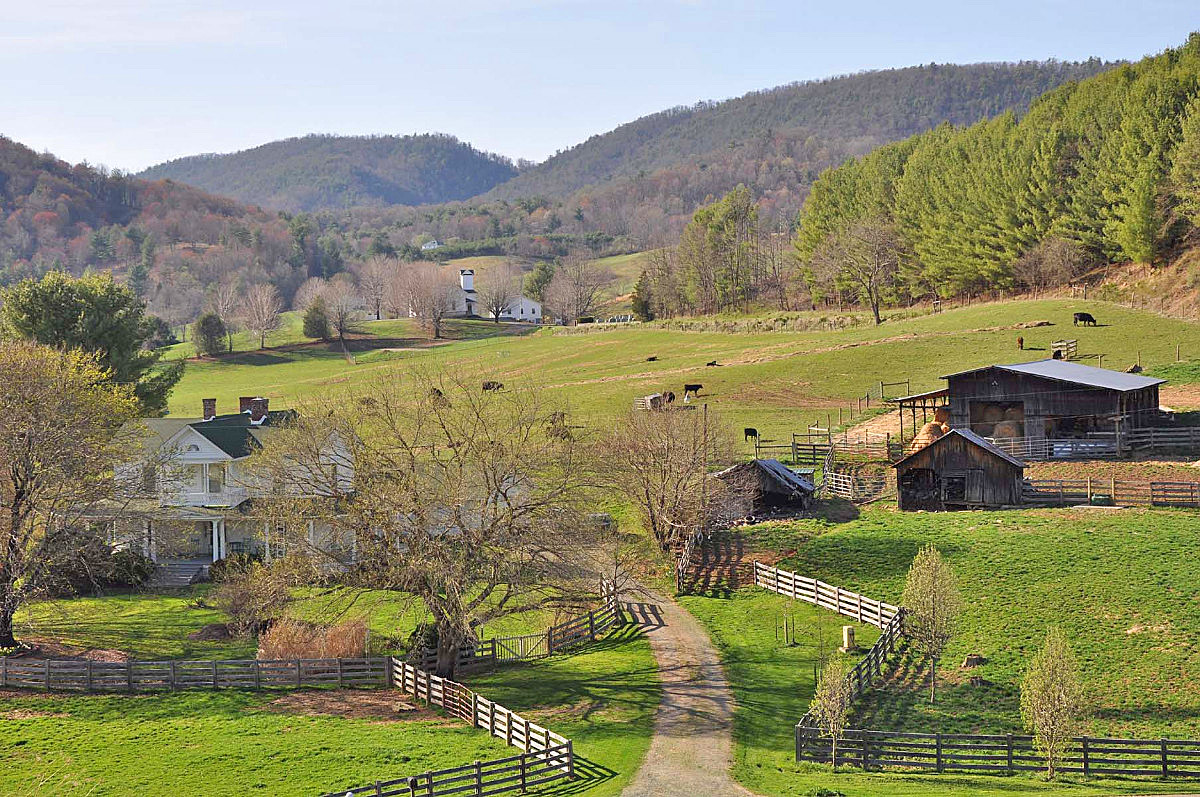
Surveying historic resources lies at the heart of a good preservation program. In Virginia, the statewide survey has been underway for 50-plus years. During that time, more than 250,000 architectural and archaeological properties have been recorded and added to the state’s inventory of historic sites.
Developing an accurate and comprehensive inventory is an ongoing process, with thousands of new entries being made each year.
During a survey, each property is photographed and mapped. Information about a building’s style, its construction date, and who built it is accompanied by a detailed architectural description and an evaluation of the relative significance of the property. For archaeological sites, the period from which the site dates, its cultural affiliation, and a detailed description of the attributes of the site and its artifacts are recorded.
Surveys go beyond focusing on traditional “historic landmarks” such as 18th-century plantation houses or grand public buildings, or churches and courthouses. Surveys also include simple vernacular 19th-century dwellings, streetcar suburbs, planned communities, barns and other agricultural structures. They cover bridges, cemeteries, factories, commercial structures, statues, tugboats, and structures associated with space exploration.
The Department of Historic Resources receives the great majority of its new surveys from two sources: survey projects carried out to fulfill requirements of Section 106 of the National Historic Preservation Act (environmental review), and survey projects undertaken through the department’s Cost Share Program, under DHR’s Survey and Information Management Division.