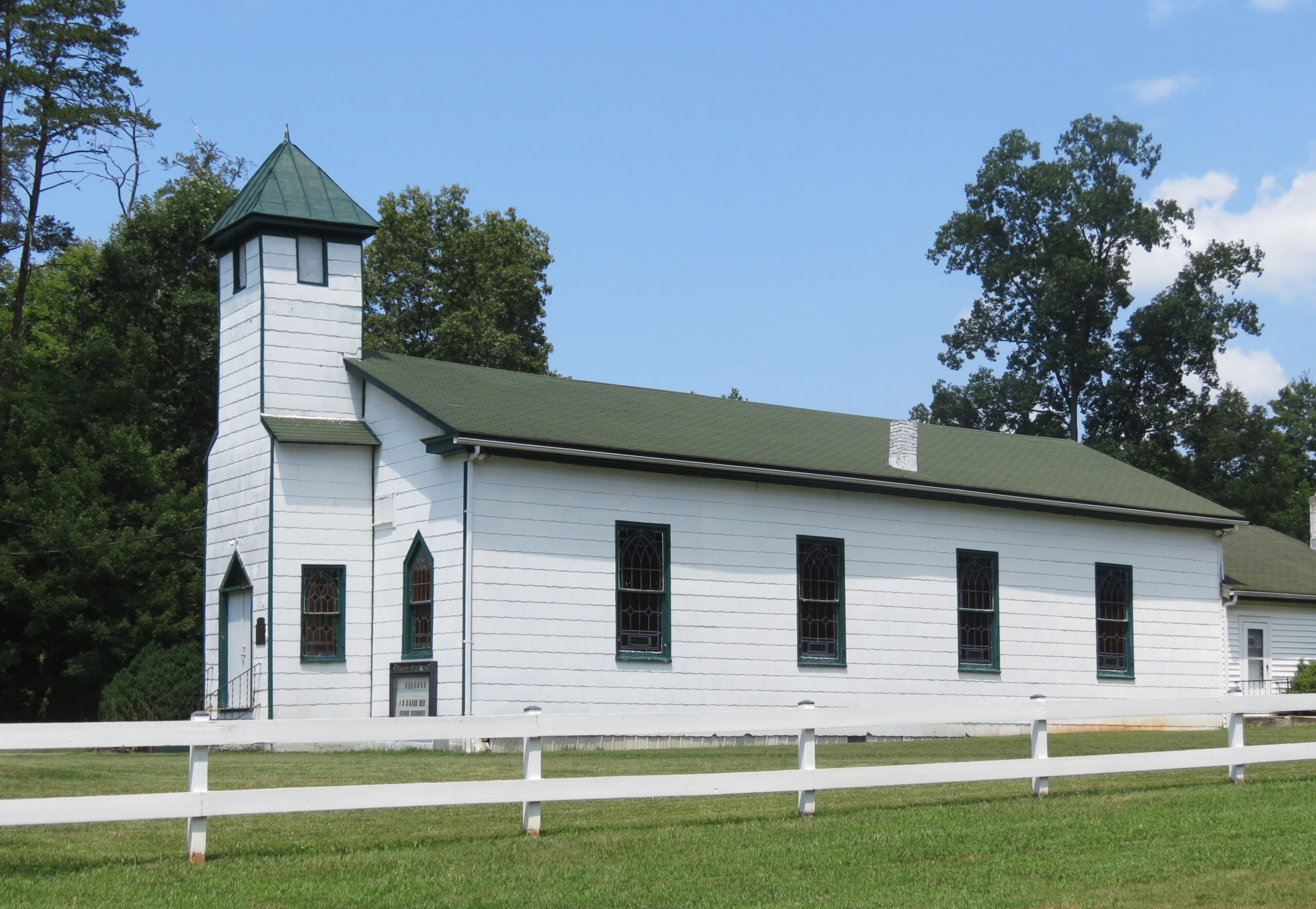
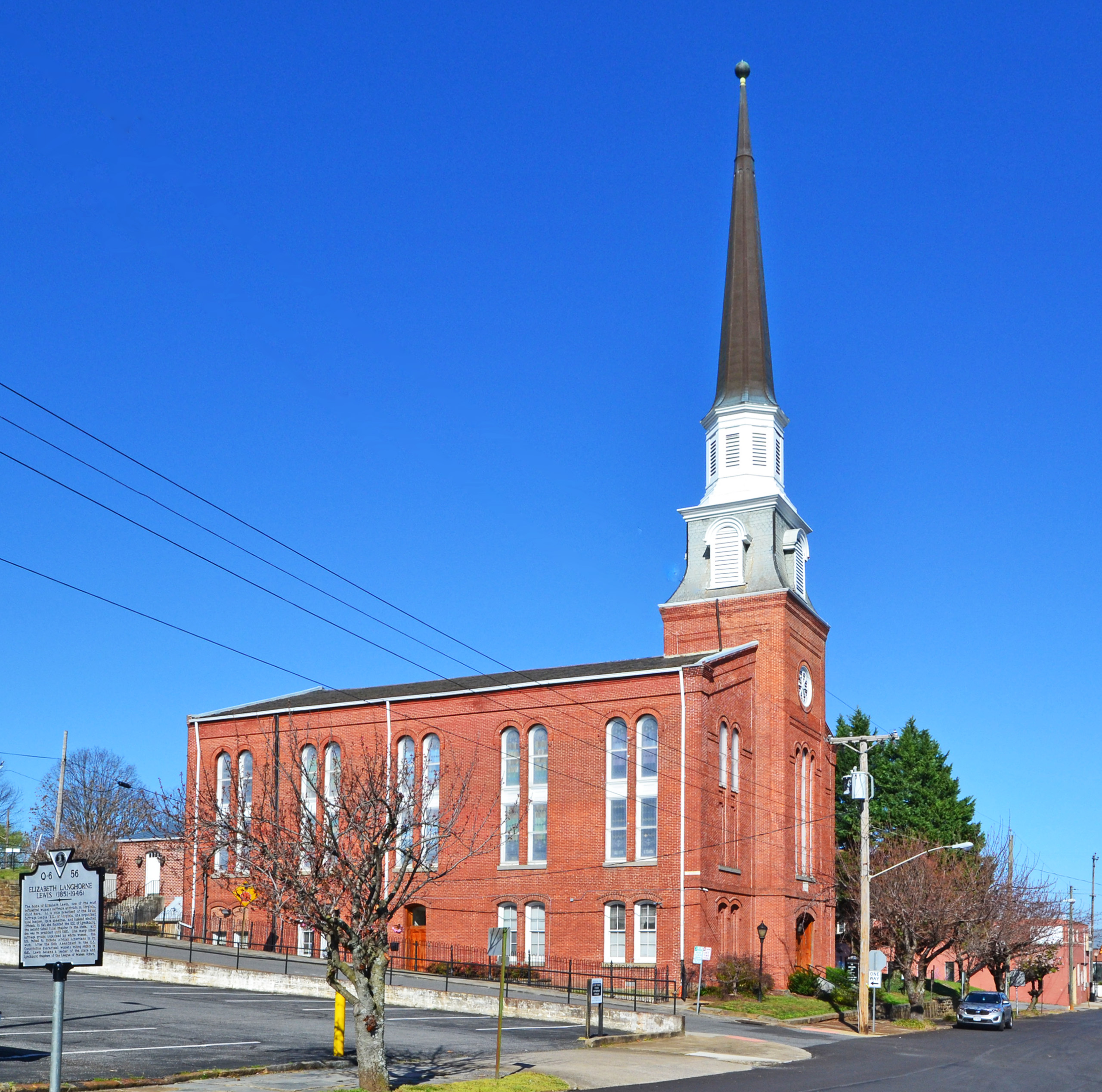
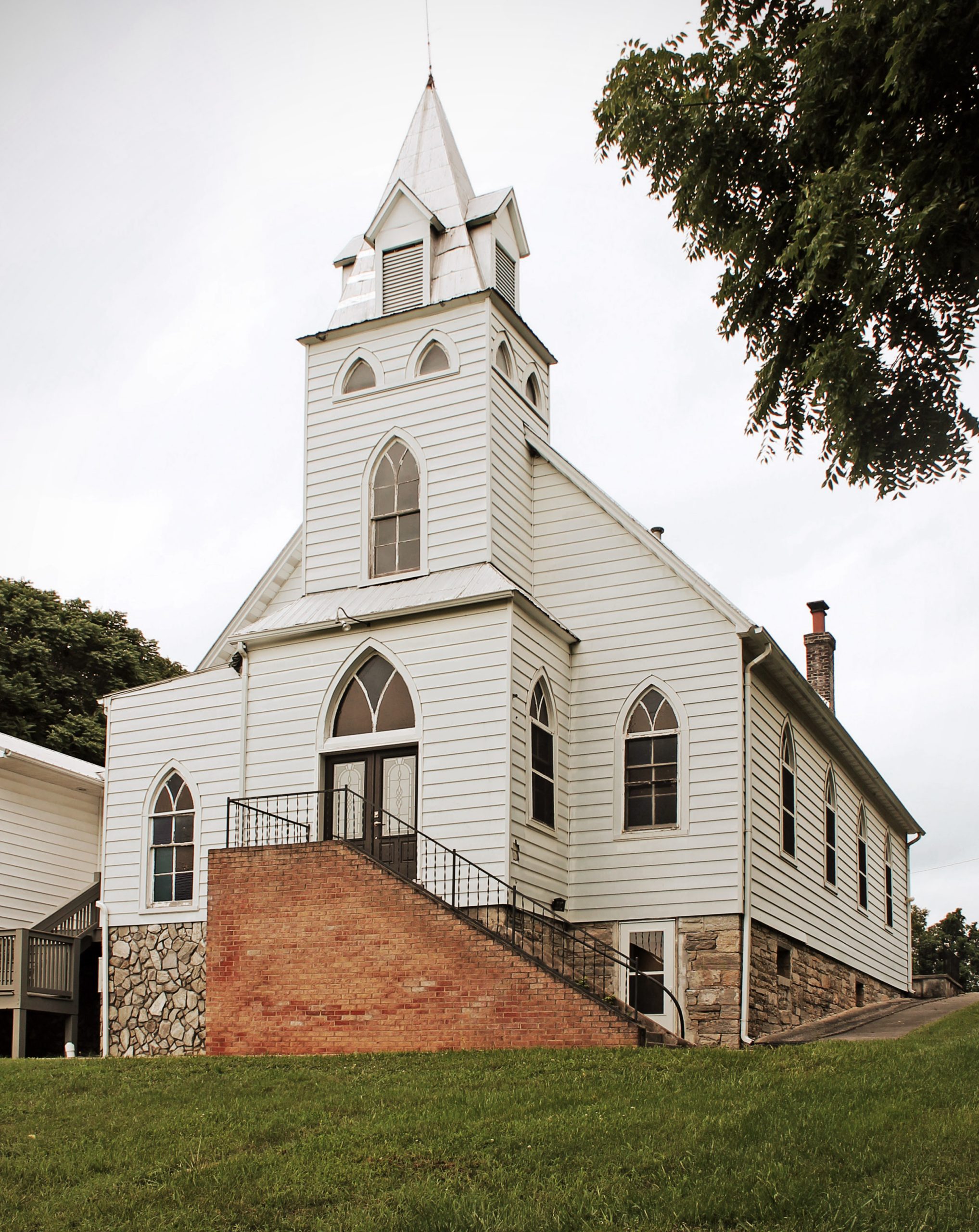
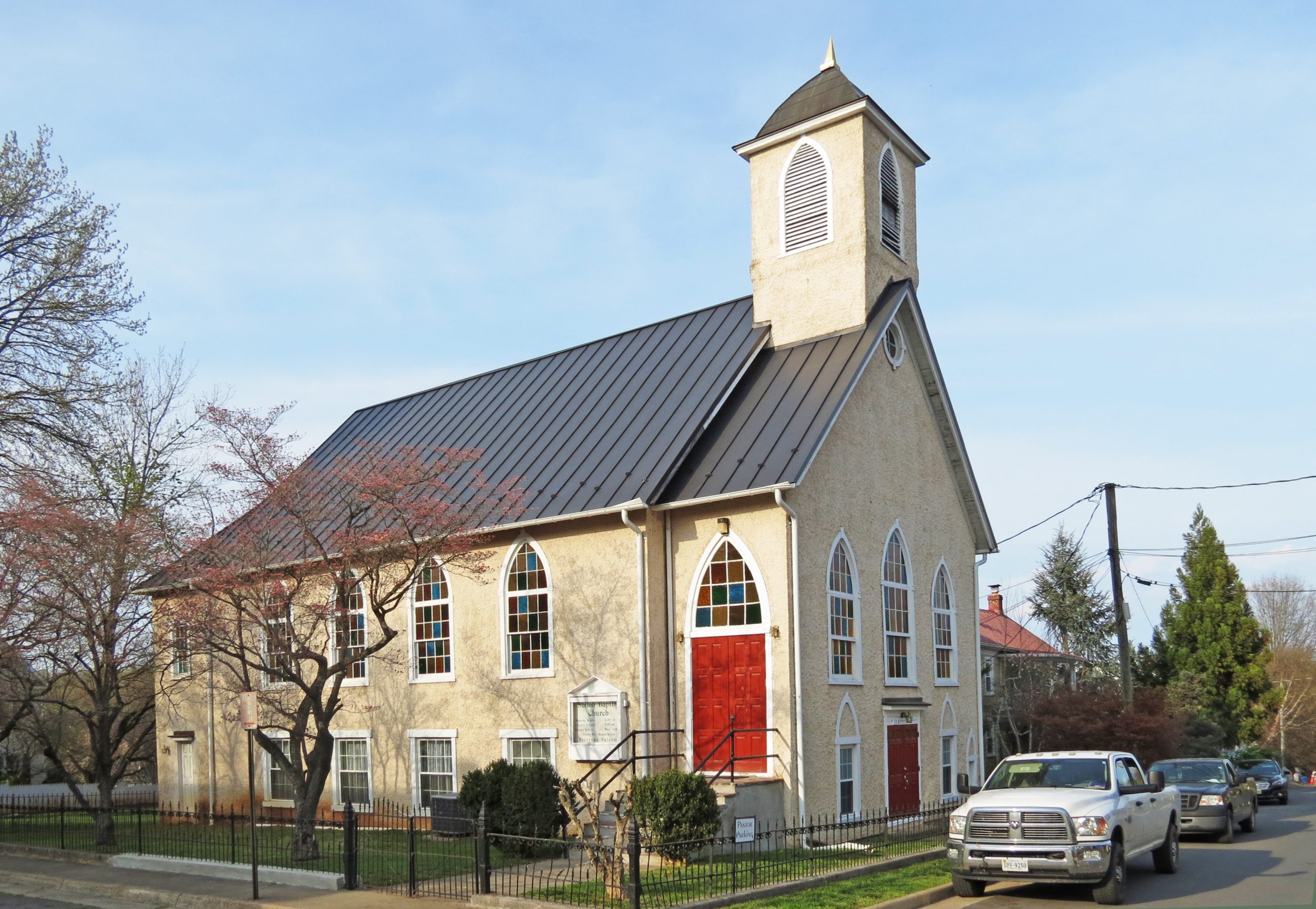
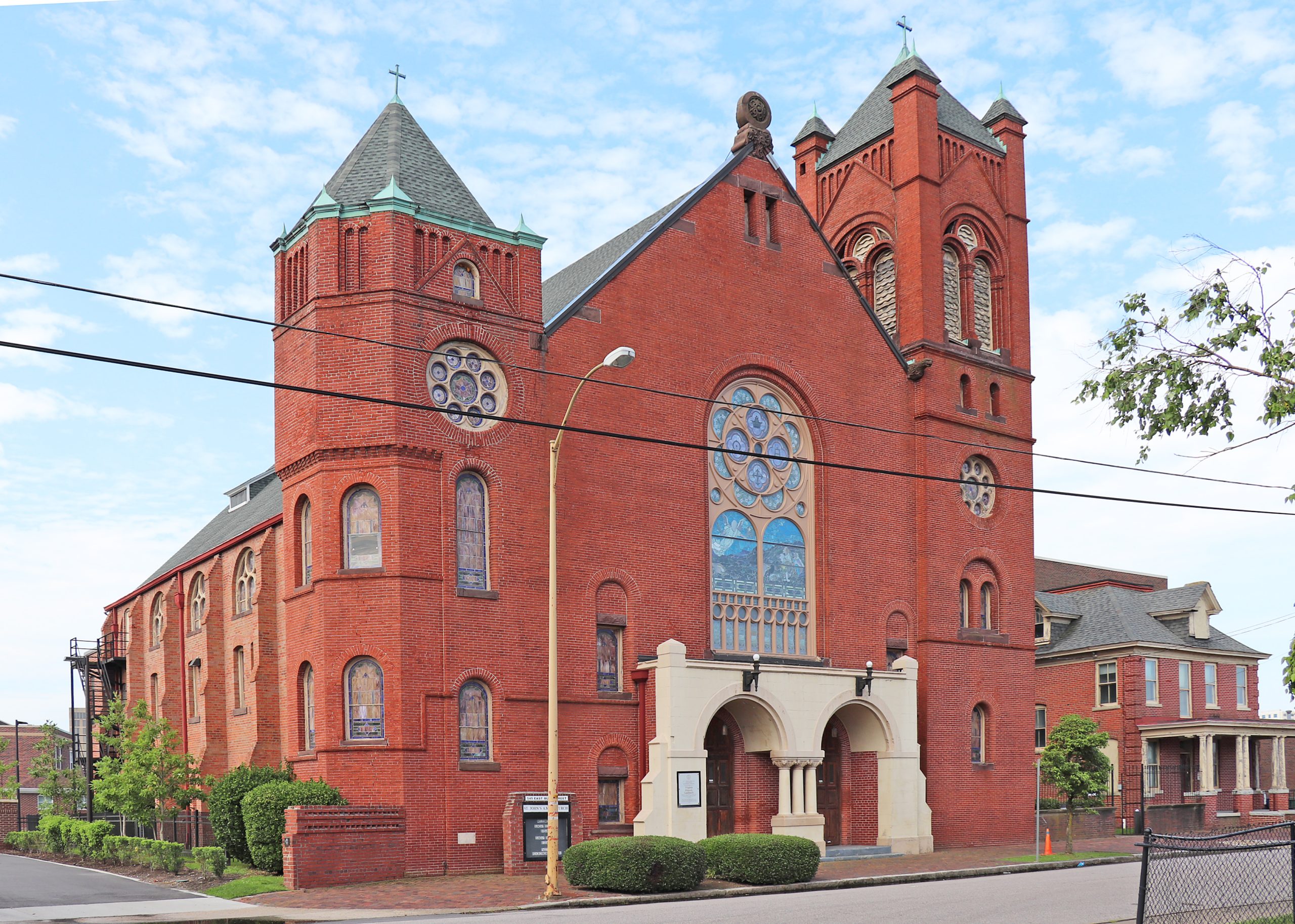
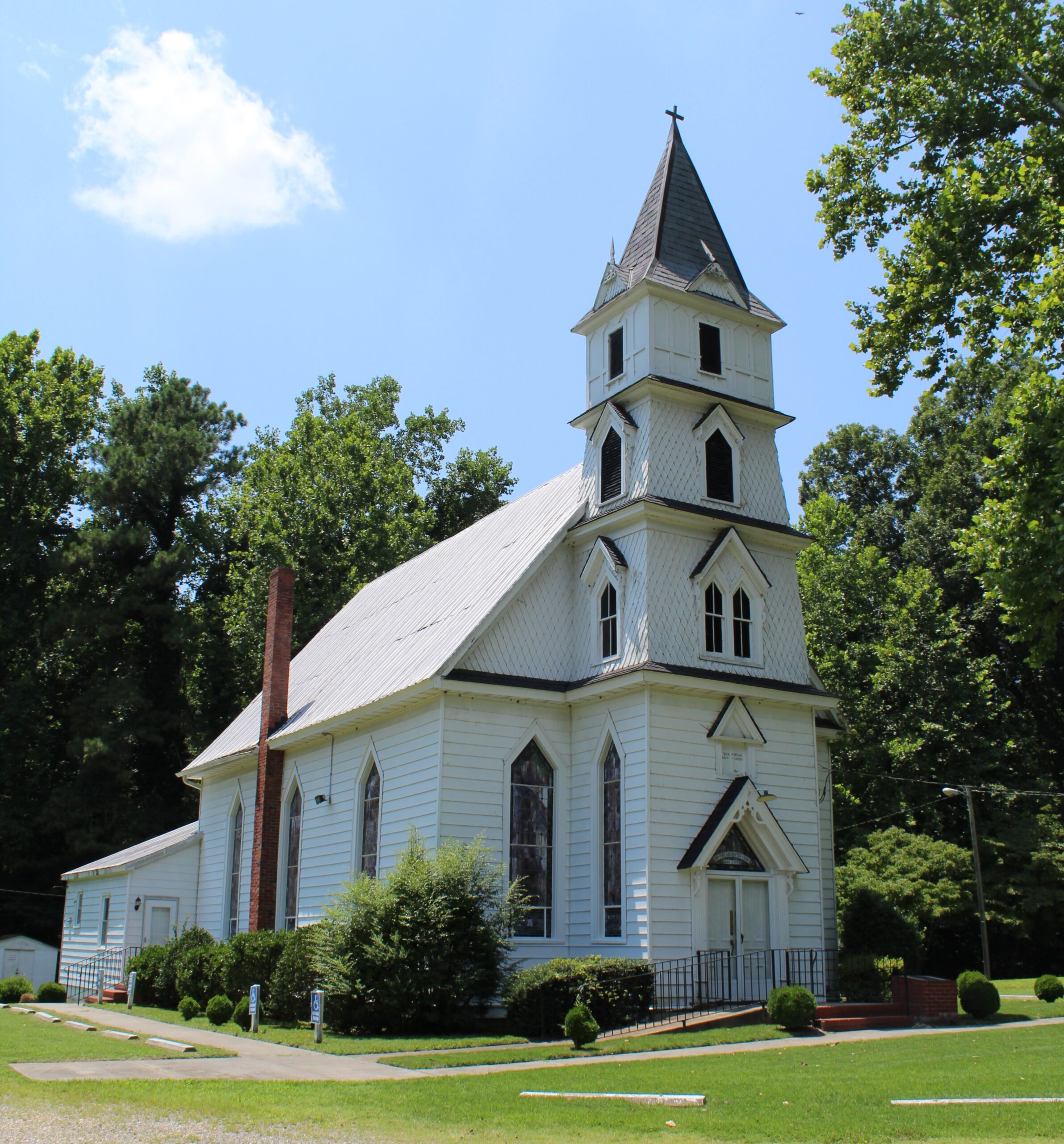
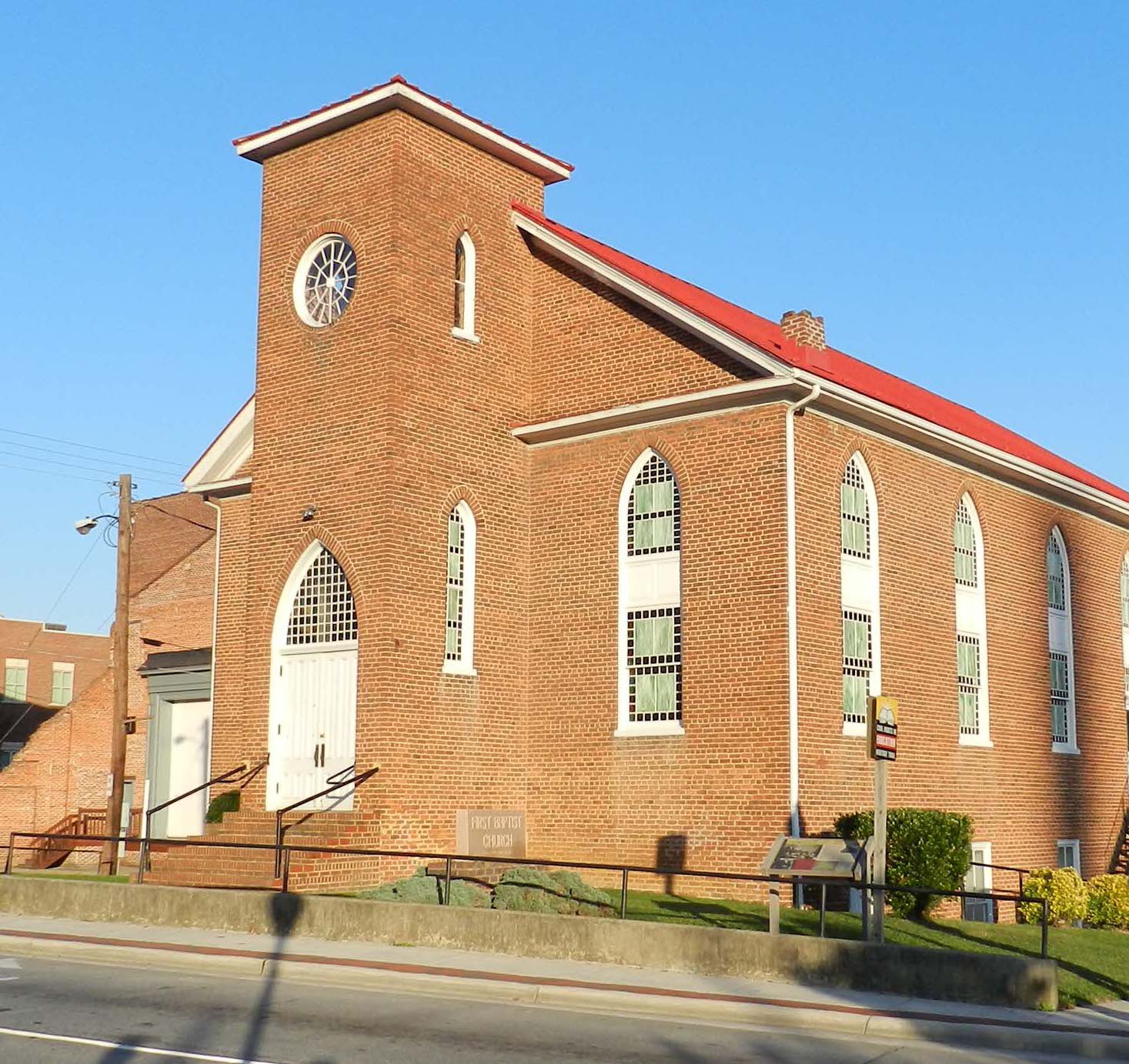
The African American Churches in Virginia Multiple Property Document (MPD) outlines the significant social, civic, educational, and spiritual roles that African American churches and spiritual gathering places have played in Virginia from the colonial era through the mid-20th century, when White supremacist institutions and policies precluded African American participation in most traditional government, commercial, social, and educational sectors. Growing from “invisible institutions” prior to the Civil War into independent “sanctuaries of governance” during Reconstruction (1865-1902), Black congregations and church leaders played an integral role in the establishment of schools, mutual aid societies, and fraternal organizations and provided an alternative path to meet the social and civic needs of their communities. Following codification of the “separate but equal” doctrine during the Jim Crow era, African American churches continued to serve as sheltering spaces for resistance and, ultimately, political activism, with many playing a pivotal role in the hard-fought victories of the Civil Rights Movement.
In addition to its comprehensive historic context, the MPD provides registration requirements for two broad property types associated with African American churches in Virginia: individual church buildings and church-based historic districts, which may encompass associated resources such as cemeteries, schools, fellowship halls, education buildings, parsonages, and other sites of significance.