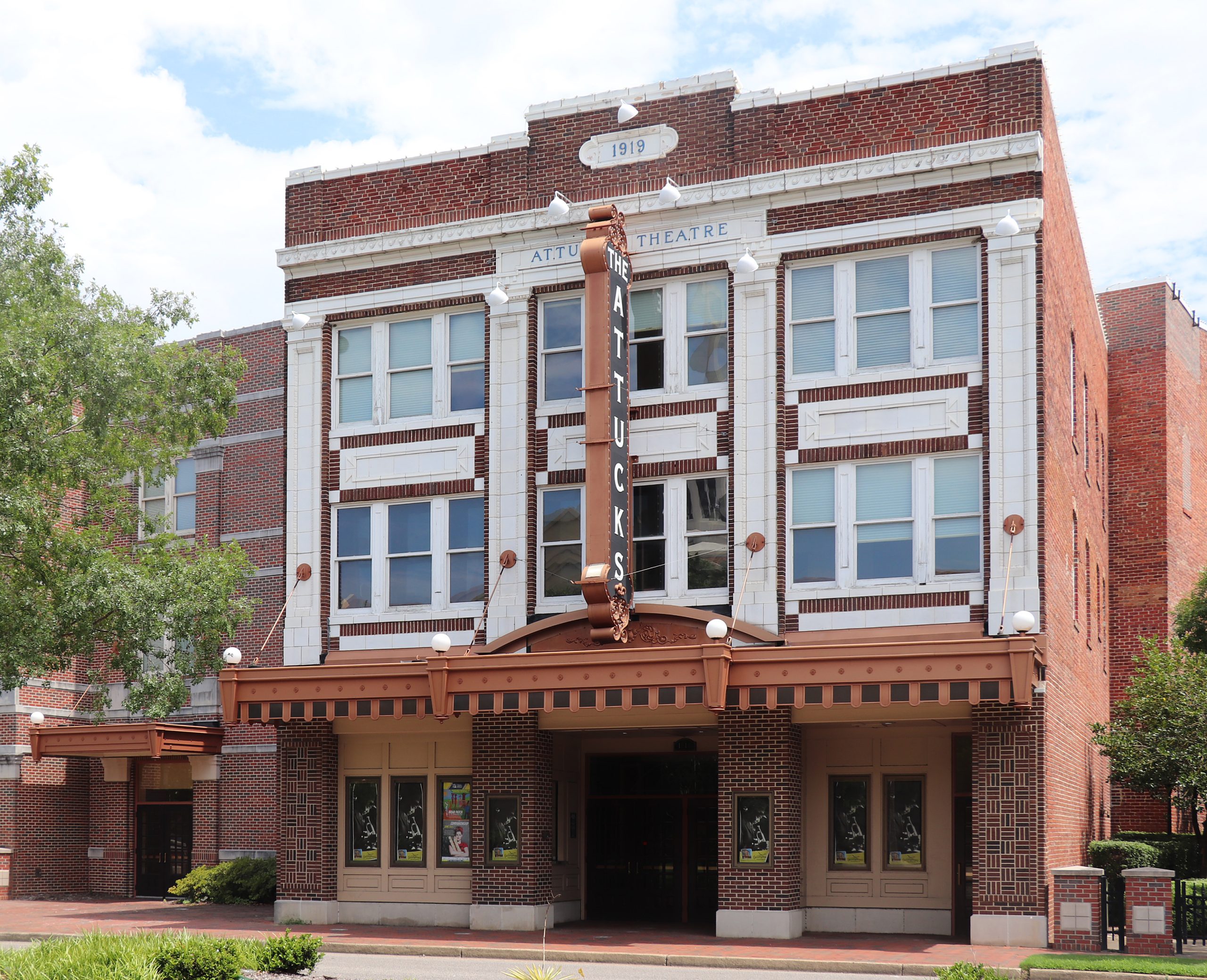
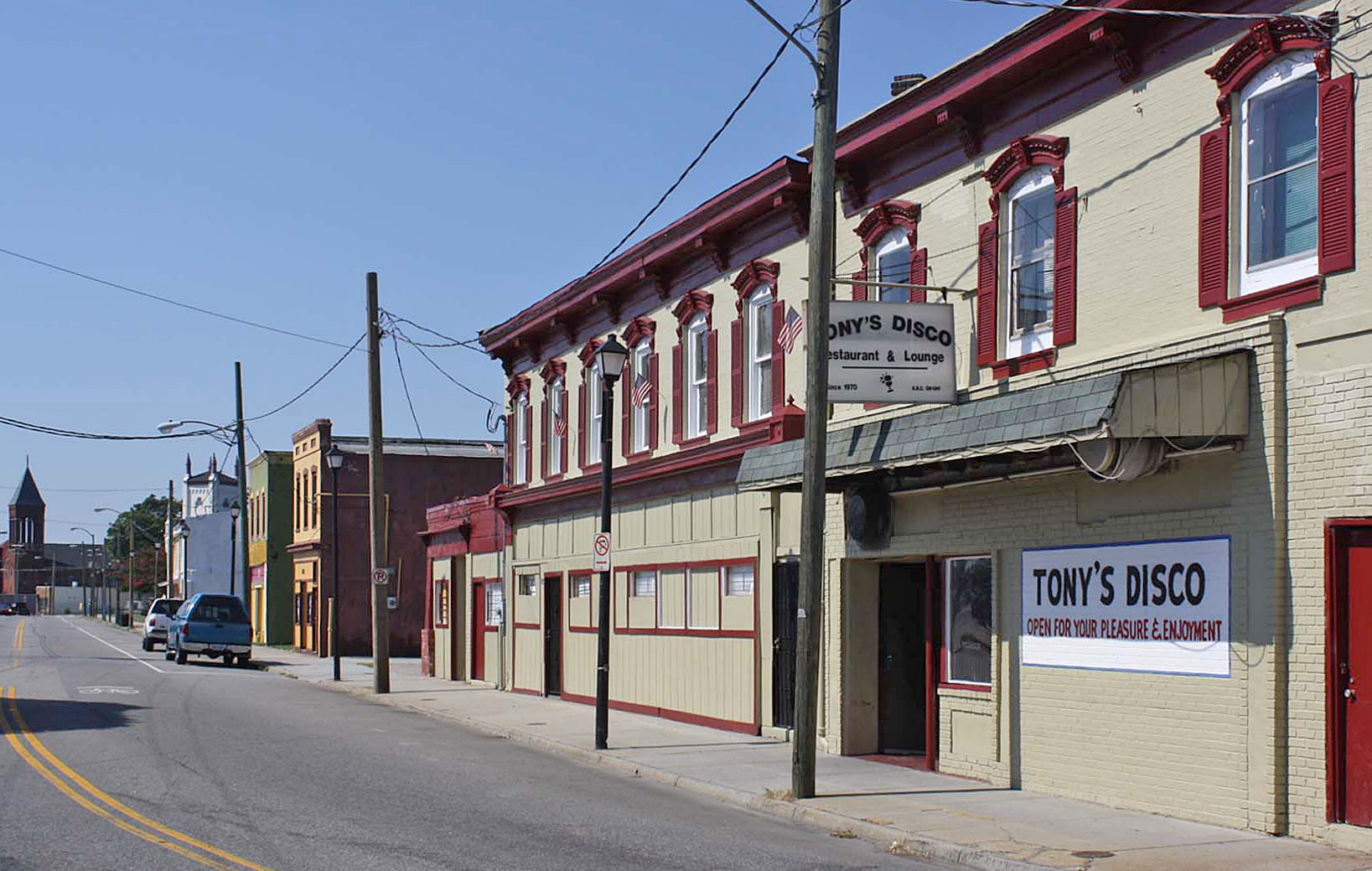
The Negro Traveler’s Green Book in Virginia: Race, Space, and Mobility Multiple Property Documentation Form (MPD) provides a context for the 304 historic places in Virginia that were advertised in the Green Book between 1936 and 1966. Of these, approximately 58 were identified as still extant as of 2024. The Green Book served as a guide used over those thirty years by Black individuals and groups to travel safely across Virginia. From the 1890s through the mid-1960s, the segregation and disenfranchisement laws known as “Jim Crow” served as a cudgel to force African Americans to forego their rights as American citizens and created a formal, codified system of racial apartheid that dominated the American South. During the first decades of the 20th century, the gradual ascension of a prosperous middle class of African Americans, coupled with the introduction of personal automobiles, created opportunities for personal mobility. Due to segregation and an accompanying, ever-present possibility for violence by White individuals and institutions against Black people, however, mobility for Virginia’s Black residents continued to be fraught. In response to the need for promulgating methods for safe travel, Victor Hugo Green and Alma Green published The Negro Traveler’s Green Book. Through meticulous research, the Greens compiled lists of businesses that would serve Black travelers, including restaurants, gas and service stations, and various types of lodging.