As the nation's semiquincentennial celebrations in 2026 draw nearer, Virginia has emerged as a leader in the effort to create a robust and meaningful commemoration. The Virginia 250 Preservation Fund shows that pointing a spotlight at the Commonwealth’s history now will have effects for years to come.
By Joanna Hejl | Virginia 250 Preservation Fund Coordinator
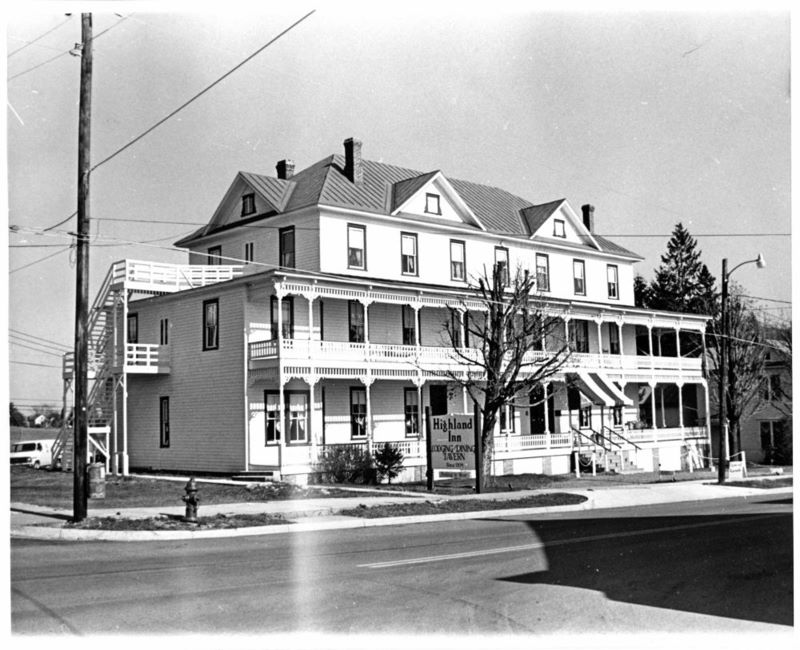
On a rainy day in July, DHR Grants Coordinator Caitlin Sylvester and I wound our way along US-250 through George Washington and Jefferson National Forests. Our destination was the Highland Inn in Monterey, a lodging place for visitors to Highland County and nearby historic and natural attractions since 1904. It is emblematic of the hotels that dotted Virginia’s western mountains and valleys in the 19th and 20th centuries, welcoming visitors to a cooler summer climate and the relaxing local springs. The business shuttered in 2019, however, which sped up the building’s physical deterioration and, without other lodging places of a similar size to attract overnight visitors, left a hole in the county’s economy. A Virginia 250 Preservation Fund grant is helping to turn that around.
Soon the 18-guestroom hotel will be able to accept visitors once again—with restored features such as the concierge and welcome desk (including a historic cash register). Its two restaurants will also reopen, ready to serve guests and locals alike. The Blue Grass Resource Council has already led the project through its first phases. The completed rehabilitation of the two Eastlake galleries that wrap from the front of the building around its eastern wall stand as proof of concept—both stories of the porches are structurally sound and feature beautifully and accurately replicated gingerbread trim.
The rehabilitation of the Highland Inn hits several of the priorities and benefits of the Virginia 250 Preservation Fund. With these monies, which were allocated in the 2024 Virginia Biennial Budget, DHR aims to improve visitor access and experience at historic sites to tell a range of stories across Virginia. While the goal is to serve visitors in concert with America’s semiquincentennial celebrations, the changes that are made now will help sites continue to welcome visitors far into the future.
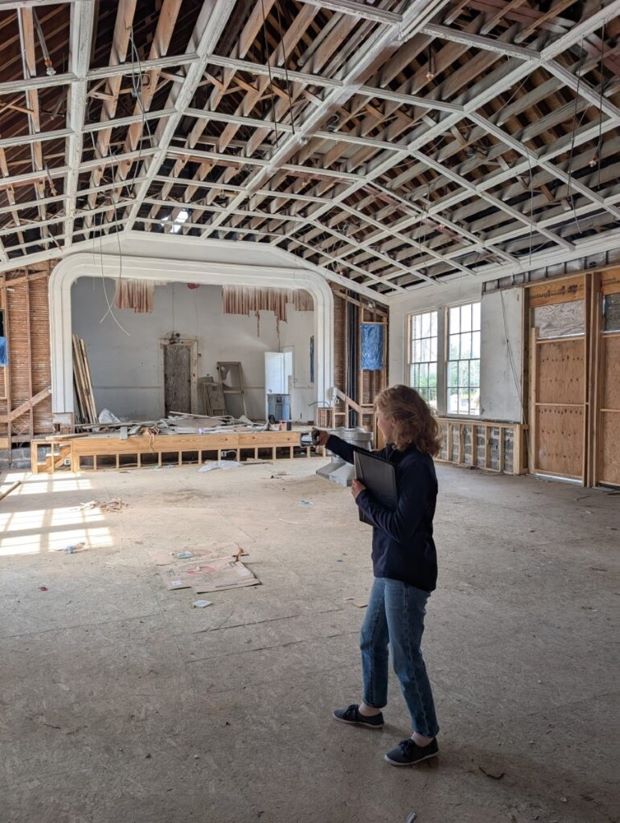
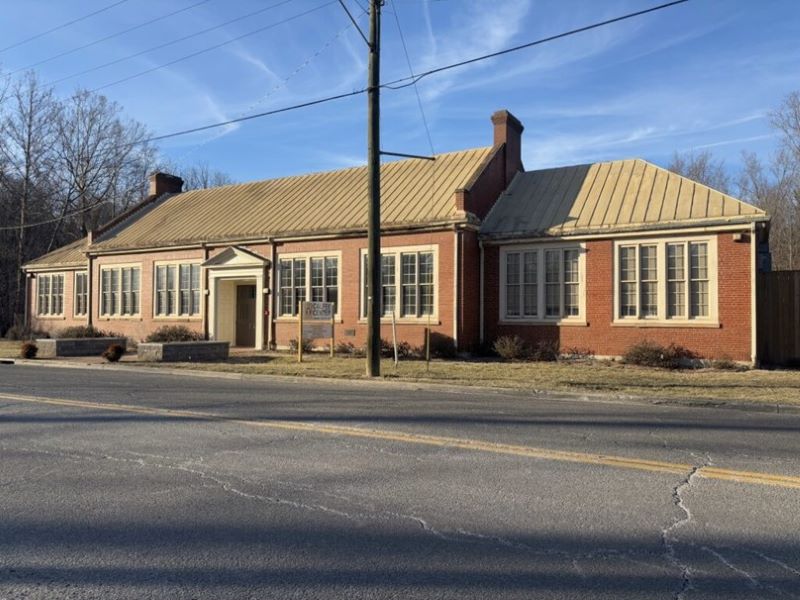
Infrastructure and mobility improvements are common across grant projects. Soon visitors will be able to safely roll through the grounds of Stratford Hall in Westmoreland County and into the Gloucester County Museum of History, or take an elevator to the balcony of the Rex Theater in Galax. We can also see the role of preservation in community and economic development through these projects. At the Calfee Community and Cultural Center in Pulaski County, the Virginia 250 Preservation Fund will help to rehabilitate former Calfee Training School classroom spaces and turn them into a museum to tell the rich history of the school as an African American-serving institution and its role in the integration of Virginia schools. Already, though, part of the building has been renovated into the Lucy and Chauncey Harmon Learning Center, a facility expanding access to early-childhood and out-of-school education in southwest Virginia. The phased redevelopment of the site has allowed the community to make use of it while work continues on other parts of the building.
Caitlin and I left Monterey, moving slowly along the rainy mountain roads, laden with local maple syrup and excitement for Highland Inn’s future. Across Virginia communities of all sizes, preservation ensures that places to gather, learn, and have a good time remain vital and accessible. History is alive in Virginia, in anticipation of 2026 and for years to come.