DHR’s Preservation Incentives Division is responsible for the administration of two very popular programs: the state rehabilitation tax credit and the preservation easement programs. The staff of dedicated architectural historians and archaeologists assist a high volume of property owners and stakeholders with the rehabilitation and stewardship of important historic resources throughout the Commonwealth. In the last year, DHR Easement staff have negotiated and recorded eight new easements protecting nearly 400 acres. In the same timeframe, Tax Credit staff reviewed nearly 100 projects accounting for more than $350 million dollars in private investment.
By Megan Melinat | DHR Preservation Incentives Division Director
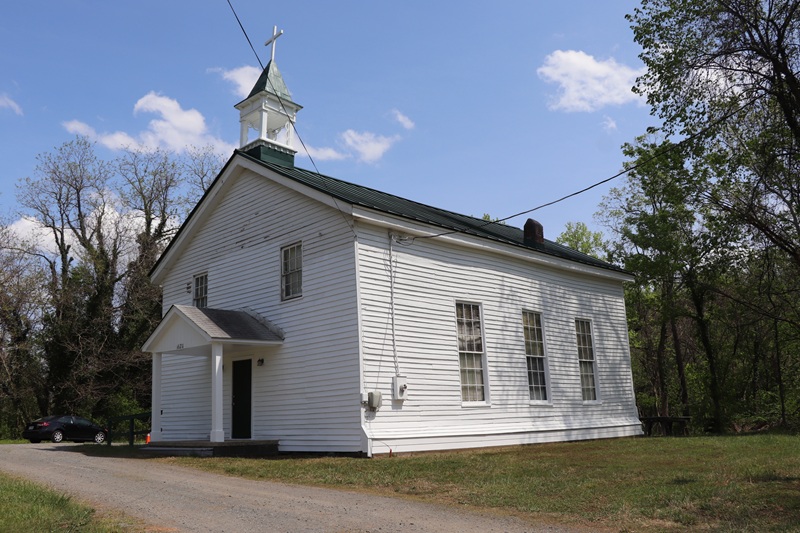
Buckland Church, Prince William County
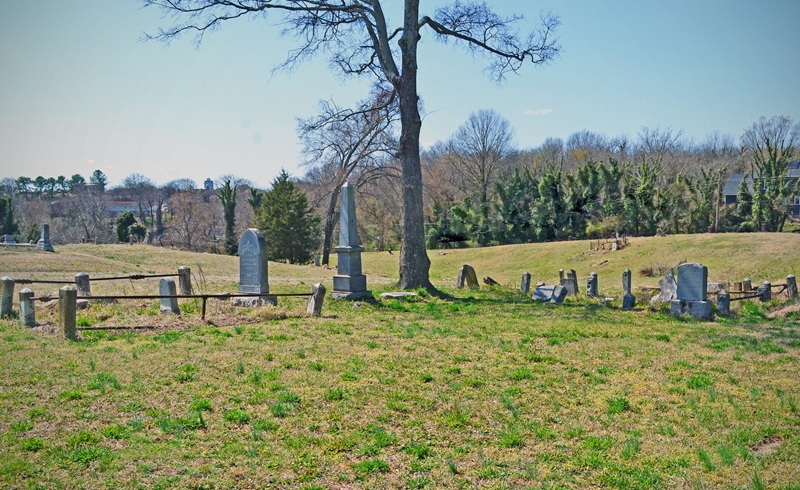
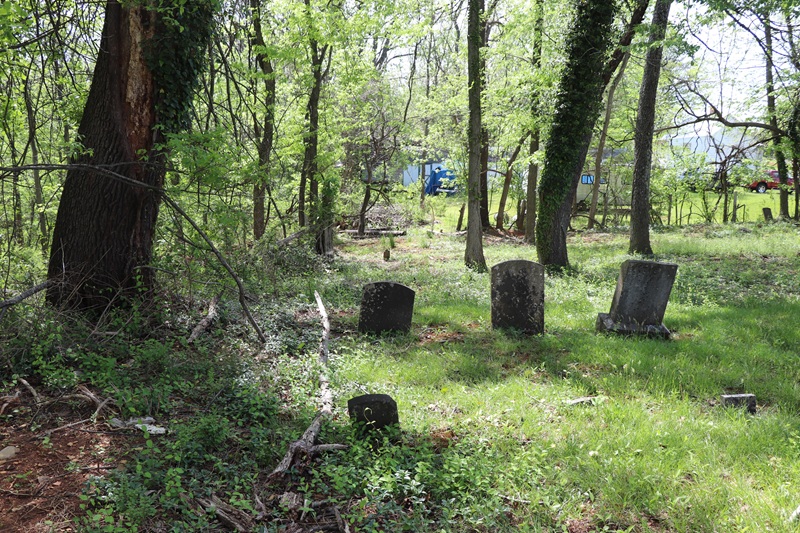
The historic preservation and open space easement over Buckland Church in Prince William County protects the exterior of the historic church, the cemetery, and nearly an acre of open space land situated on a ridge overlooking the highway and Broad Run as well as the surrounding Buckland Historic District. Constructed circa 1857, Buckland Methodist Church remains a good example of a frame, temple-form church of the antebellum period, and is a contributing resource to the historic district. The building is representative of the simple, mid-19th century vernacular-style religious architecture typical in rural Virginia as shown by its one-and-one-half-story rectangular frame form, front gable roof with box cornice, and square cupola capped by a pyramidal roof with a bracketed cornice and sawn vergeboards. The original door configuration included two front doors, one to the main part of the church, and the second to the surviving upper balcony, which was designated for African American members of the congregation. The associated cemetery contains at least 60 burials based on grave markers and visible depressions, according to data from a limited ground penetrating radar survey conducted in 2006. The bulk of the cemetery surrounds the church to its west, with some marked graves also located to the north and on an adjoining property to the east. Burials range from 1861 through 1971. Many markers are worn and illegible. The cemetery also includes an African American section identified by approximately 30 unadorned field stones.
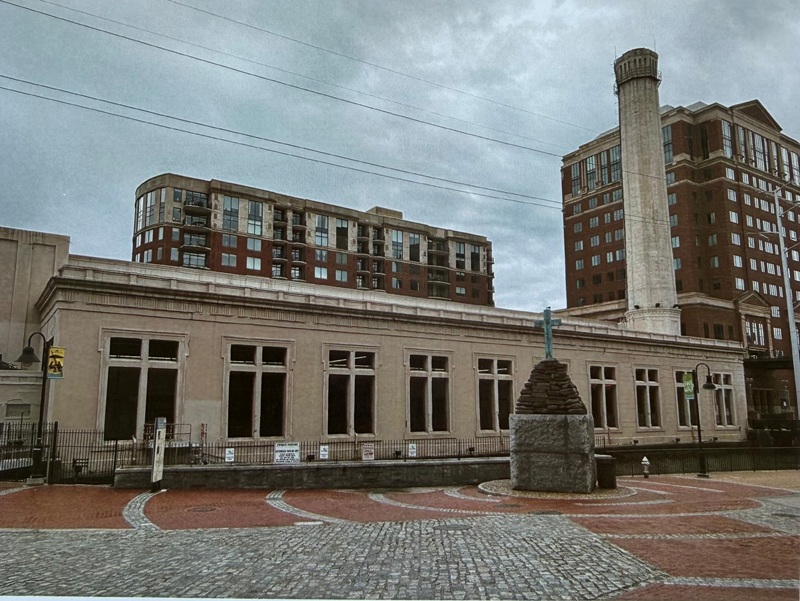
Twelfth Street Hydroelectric Plant, City of Richmond
The Virginia Historic Rehabilitation Tax Credit (HRTC) program remains an important tool for homeowners and developers. The program is an impactful economic development instrument in communities across the Commonwealth. Since the program’s inception in 1997, more than 3,600 projects have been certified, reflecting more than $7.6 billion dollars of investment in Virginia communities.
A notable recent project is the rehabilitation of the ca.1898 Twelfth Street Hydroelectric Plant in the City of Richmond. A well-known architectural icon designed in the Classical Revisal style, visitors to the popular Canal Walk are familiar with the structure, as it runs through an open wing of the building. The plant was vacant for decades until a developer purchased it in 2023 and rehabilitated the building into a racquet club for pickleball and padel players.
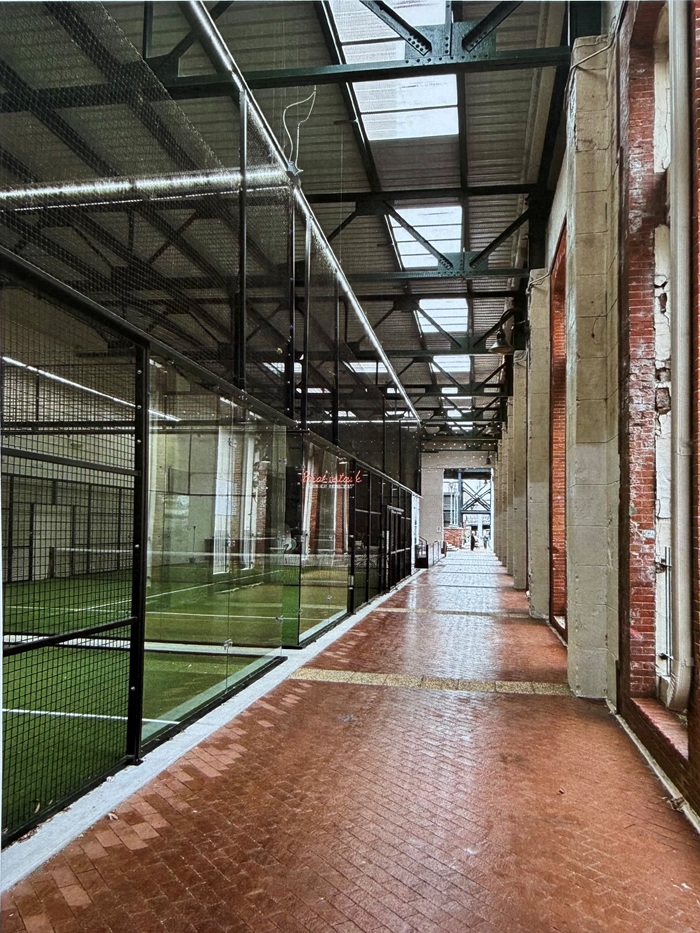
The new athletic club is sensitive to the historic character and fabric of the building. The interior's soaring open space and volume were preserved, as were the historic, industrial-style interior finishes—brick and block walls, concrete floors, and the metal truss roof system—all of which remain exposed. New courts were constructed with reversible glass walls, both inside and outside of the building, and modern improvements including a small cafe and bathrooms and locker rooms were added. The formerly roofless north wing—through which the Canal Walk runs—received a translucent roof, as well as a public outdoor seating area and several padel courts. The City of Richmond maintains an easement on this section of the Canal Walk, which ensures continued public access to the trail.
DHR’s Preservation Incentives Division staff are proud to support the preservation of historic buildings and battlefield cultural landscapes. The Easement and Rehabilitation Tax Credit programs provide tangible benefits to communities of all sizes through the promotion of Virginia’s heritage to visitors and residents alike.