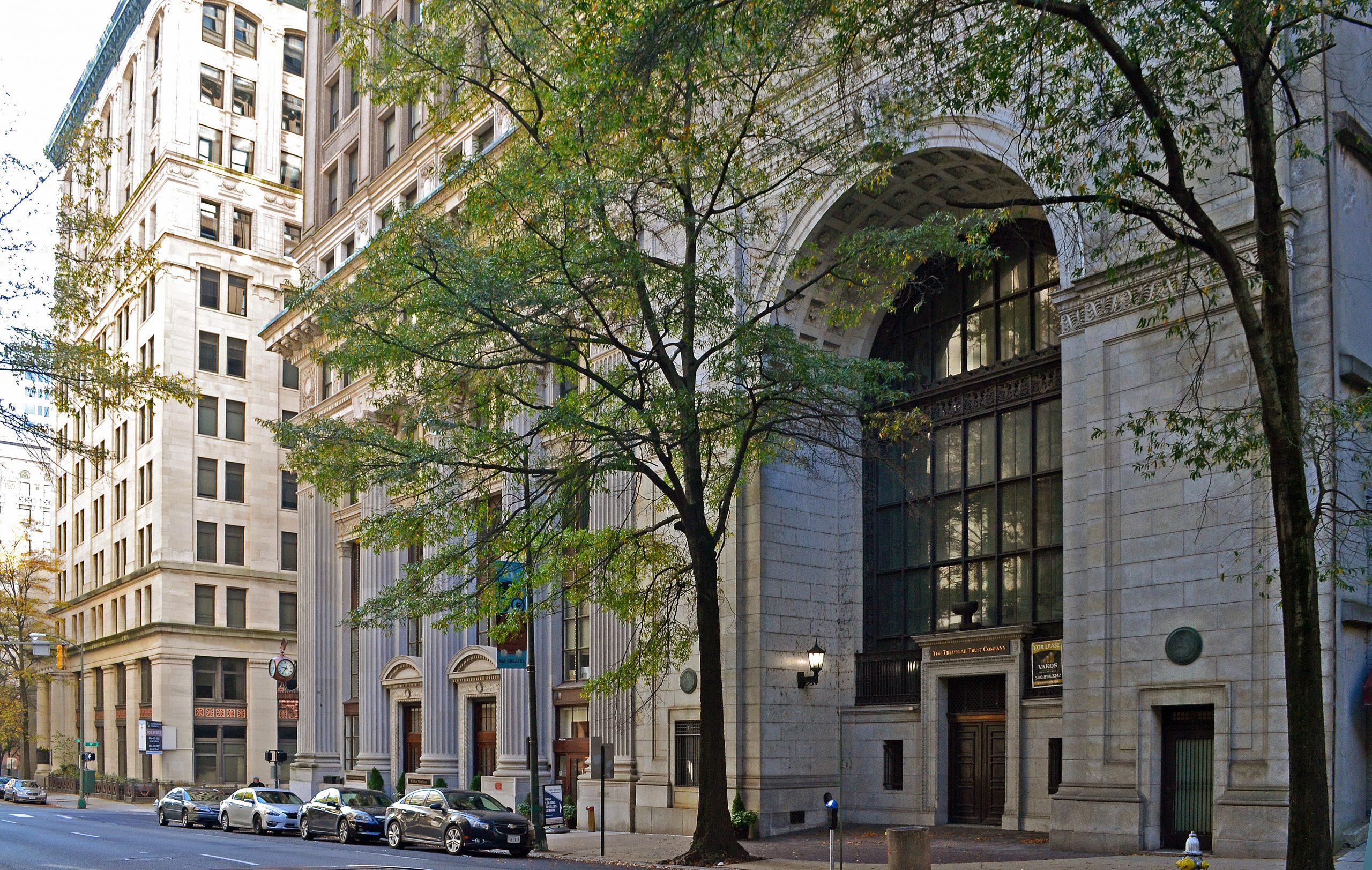
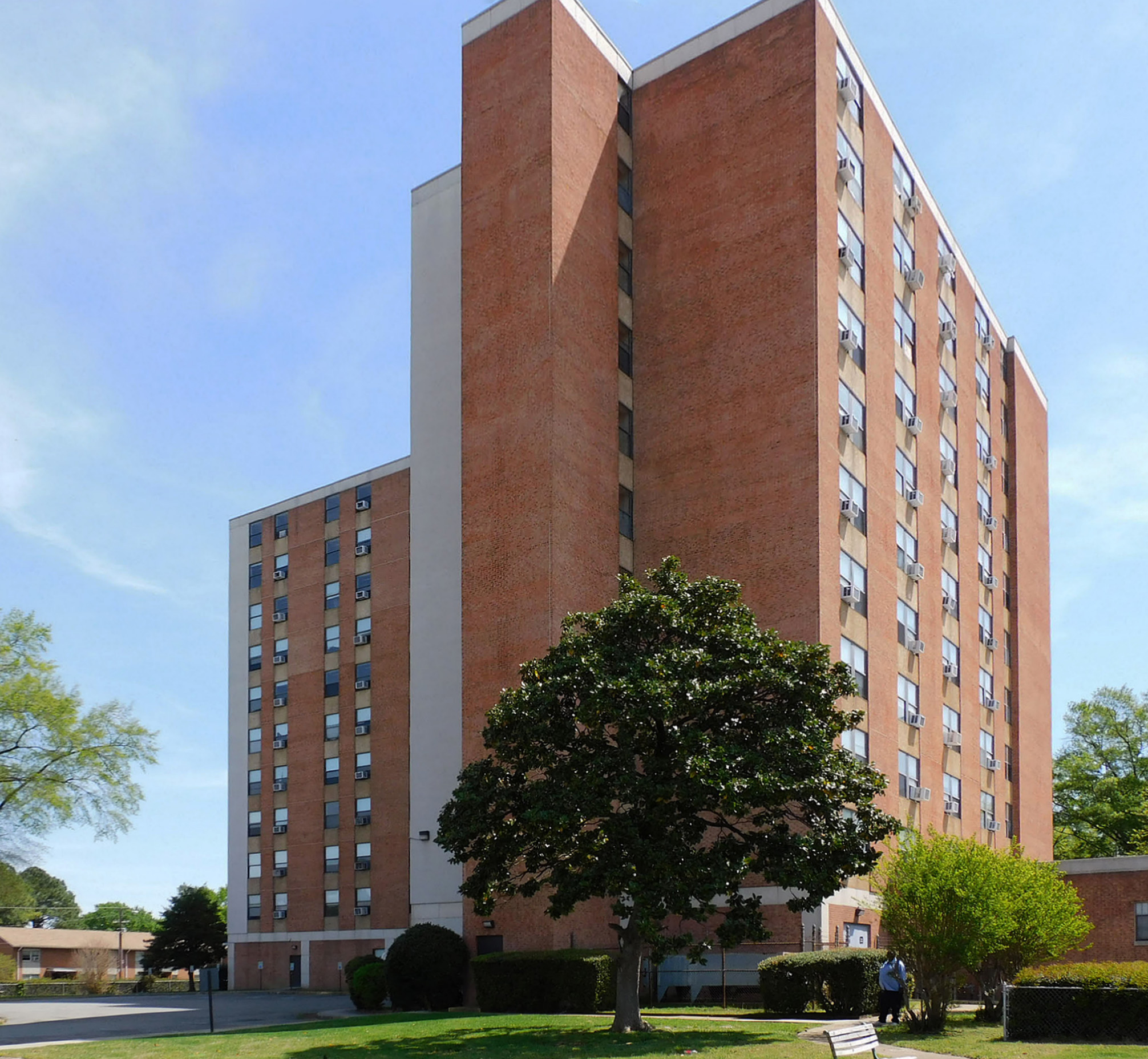
As the historic financial center for the capital and, for a time, Virginia, the Main Street Banking Historic District is significant. Financial institutions were first established on Main Street in downtown Richmond in the early 1800s, but all were lost—except for the Customs House—in the Evacuation Fire of April 1865 at the end of the Civil War. After the district began to rebuild, several banks and insurance agencies opened in the 1870s and 1880s. Industry boomed for a short period until the Panic of 1873, which halted growth in Richmond and the nation until 1878. Fortunately, the majority of Richmond’s financial institutions survived that panic, and the subsequent Panic of 1893. Today, the district’s historical buildings are solid examples of mid-19th- to early-20th-century architectural styles including Italianate, Italian Renaissance, Neoclassical Revival, Beaux Arts and commercial. Architects from Baltimore, New Hampshire, and Philadelphia were responsible for designing some of the earliest buildings, including architect Ammi Burnham Young, who designed several Virginia Custom Houses, including the one in Richmond. Other buildings were designed by prominent Richmond and New York architects, including Alfred Charles Bossom, W. Duncan Lee, Charles M. Robinson, and Marcellus Wright, Sr.; also, the New York firm of Clinton and Russell designed four buildings.
The Main Street Banking Historic District was originally listed in the Virginia Landmarks Register and the National Register of Historic Places in 2005 for its architectural significance and history as the financial center for the City of Richmond and, for a time, the Commonwealth of Virginia. A 2013 Update and Boundary Increase expanded the district boundary to include five additional resources and extended the period of significance to end in 1965, encompassing buildings that were constructed as a result of the 1962 Buck-Holland Banking Bill and are representative early examples of the “establishment of the International Style as the accepted architectural idiom for corporate Richmond.”
[VLR Listed 6/19/2013; NRHP Listed 8/27/2013; NRHP Additional Documentation Approved 7/7/2014]
An additional update to the Main Street Banking Historic District’s nomination was approved in 2025, further extending the district’s period of significance to end in 1976, when the Eighth and Main Building at 707 East Main Street was completed. The twenty-story International Style building was designed by the nationally recognized architecture firm of Skidmore, Owings & Merrill, described in the existing nomination as “one of the most notable architects represented in the historic district.” Although constructed 11 years later than the other high-rises within the 2013 Boundary Increase Area, the Eighth and Main Building continued trends that were initiated by the Buck-Holland Banking Bill, housing businesses associated with commerce, economics, and law. The 2025 nomination update also reduced the district boundary to reflect the demolition of the ca. 1962 Virginia Employment Commission Building at 703 East Main Street, previously a contributing resource within the Main Street Banking Historic District.
[VLR Approved: 6/12/2025; NRHP Approved: 9/26/2025]