
Virginia Department of Historic Resources
(dhr.virginia.gov)
For Immediate Release
May 2026
Contact:
Ivy Tan
Department of Historic Resources
Marketing & Communications Manager
ivy.tan@dhr.virginia.gov
804-482-6445
Virginia Awarded $2M by NPS to Document Areas Impacted by Hurricane Helene
—The Department of Historic Resources (DHR) will use the funds to survey areas of Central and Southwest Virginia impacted by Hurricane Helene in 2024 and to nominate a property or district for listing on the National Register of Historic Places—
RICHMOND – The Commonwealth of Virginia has been awarded $2,000,000 in grant funds from the National Park Service’s (NPS) Emergency Supplemental Historic Preservation Fund (ESHPF). The funds will be used to support the documentation of historic resources in 37 localities across central and southwestern Virginia named in FEMA Major Disaster Declaration DR-4831, the declaration for Hurricane Helene in Virginia. This program will fund large-scale architectural and non-invasive archaeological survey in impacted counties to assist with recovery and future disaster planning initiatives. The funds will also support a National Register of Historic Places nomination for at least one historic district in the region.
While news coverage of Tropical Storm Helene’s impact in Virginia included many communities with a diverse array of historic resources, few instances of damage have been reported to the agency. DHR's minimal understanding of reported losses reveals the deficiency of existing architectural survey inventory in many of the impacted localities. Resources are at threat because architectural survey coverage is dated, inconsistent, and incomplete in many eligible localities. Southwest Virginia, where the storm did the most damage, is undersurveyed compared to other rural segments of the commonwealth. For example, Wise County has only half as many historic architectural resources recorded as Accomack County on the Eastern Shore, which has a slightly smaller population. Without that baseline information, DHR is less able to rapidly provide technical assistance to historic property owners before, during, or after a disaster.
DHR will administer the funds and oversee the ESHPF project, which will help meet an agency objective to assess statewide architectural and archaeological data and fill gaps in the coverage, as outlined in Virginia's Comprehensive Historic Preservation Plan, 2022-2027. Listing significant historic properties in underrepresented Virginia communities on the National Register and integrating preservation with disaster preparedness are also important DHR goals that this project will support.
This is not the first time DHR has been awarded federal funds to identify and document historic resources affected by a major storm. The agency previously administered funds from ESHPF to aid communities impacted by Hurricanes Michael and Florence in 2018, which resulted in eleven new and/or updated historic districts listed on the National Register and the documentation of hundreds of architectural and archaeological resources across the affected areas. A similar grant was made to the Commonwealth after Superstorm Sandy in 2012.
Opportunities to learn more about the project and share feedback will be published on DHR’s website and social media channels in the near future. DHR expects to put out a call to impacted localities and community organizations for project proposals later this year. For specific questions about the project, please email grants@dhr.virginia.gov.
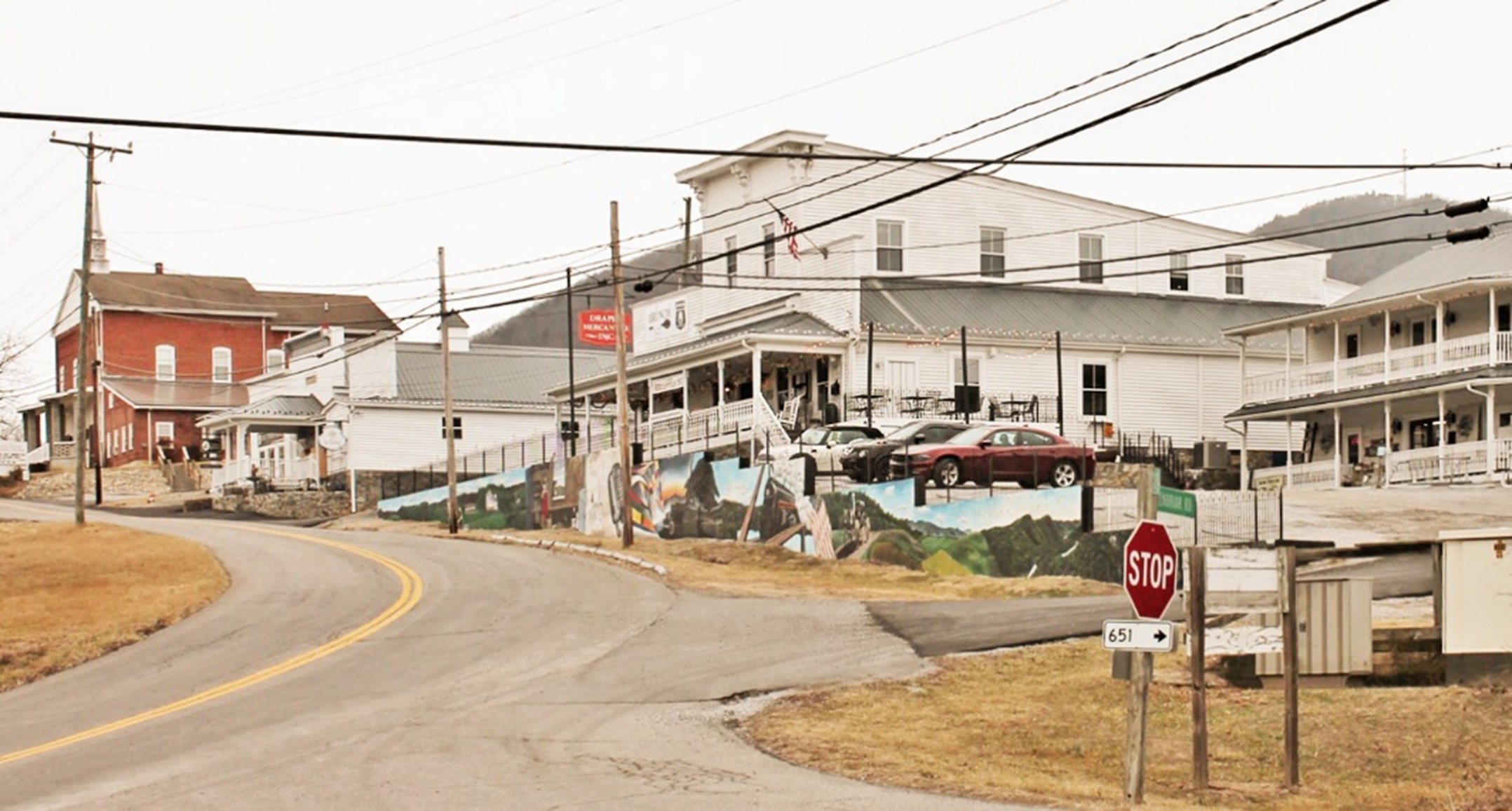
Pictured: The Draper Historic District in Pulaski County, 2018
###