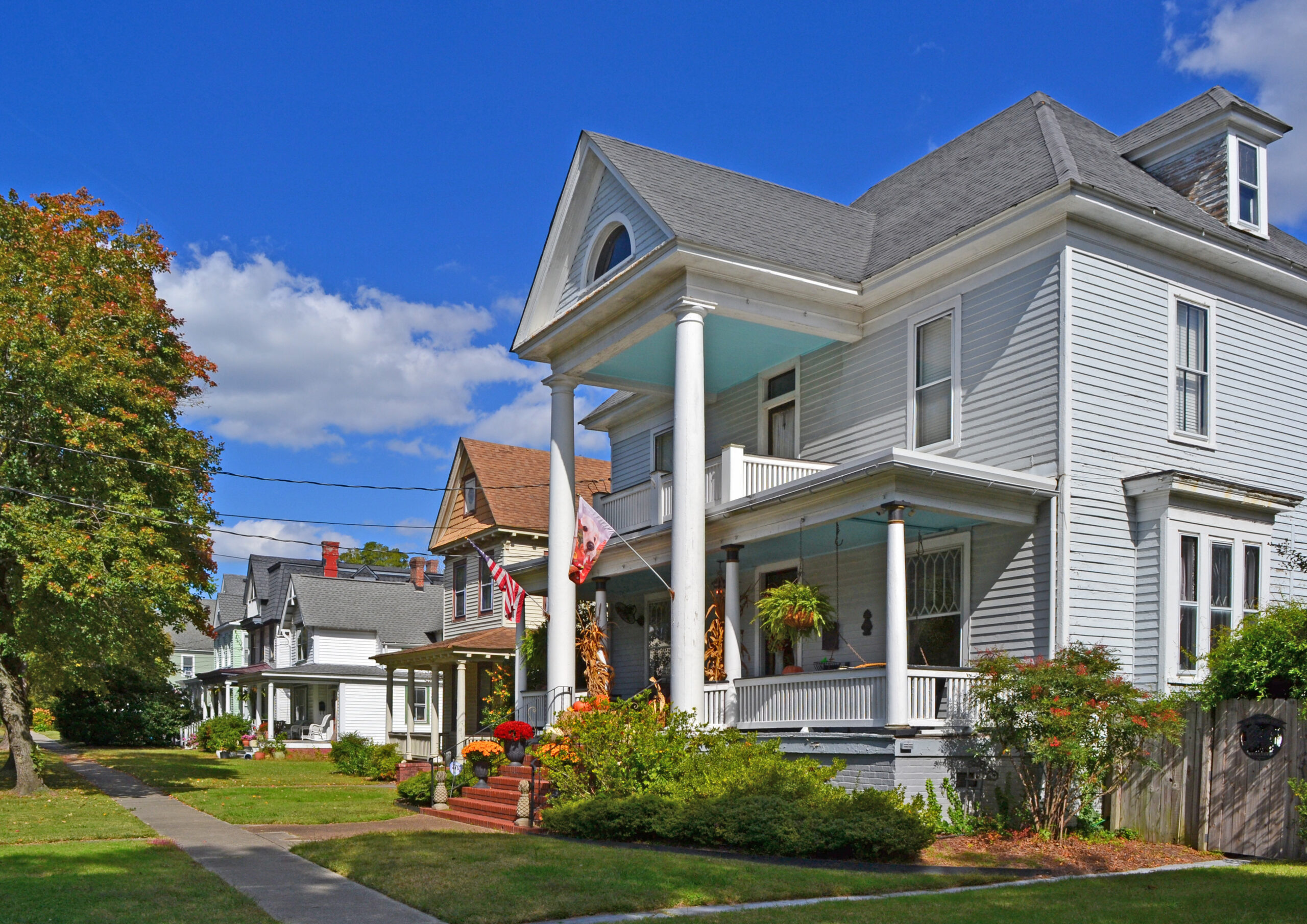
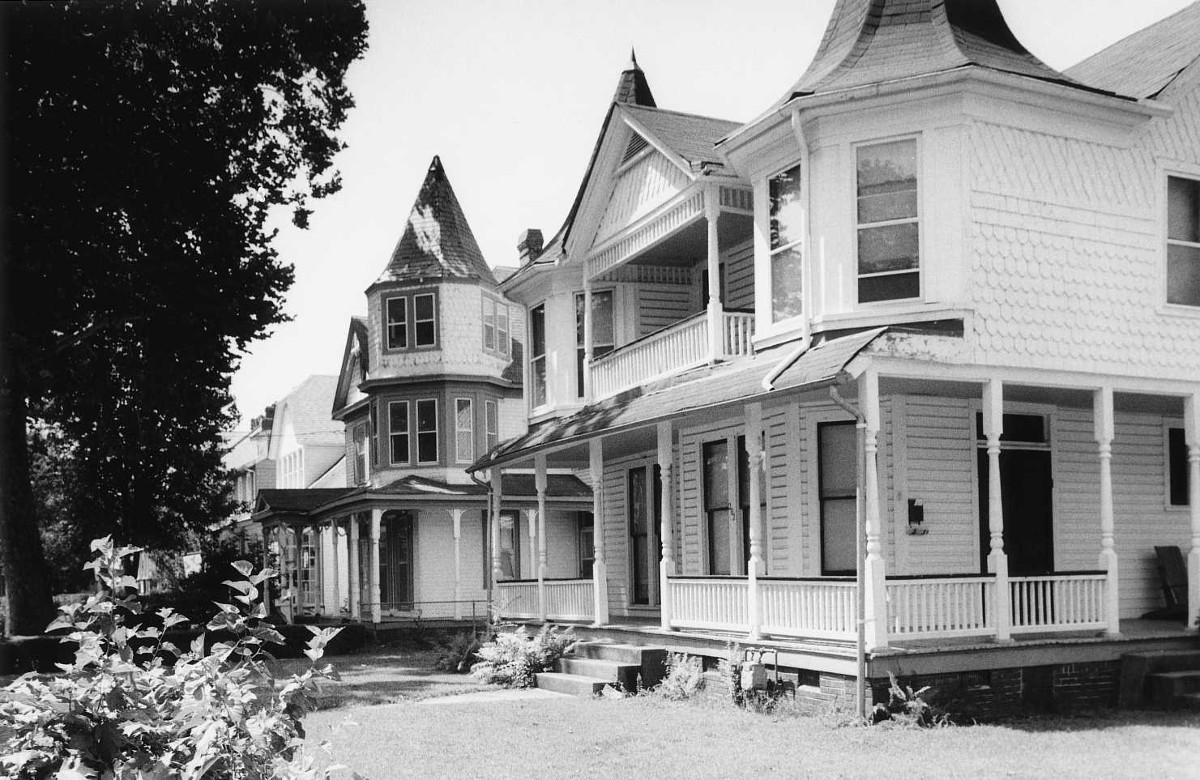
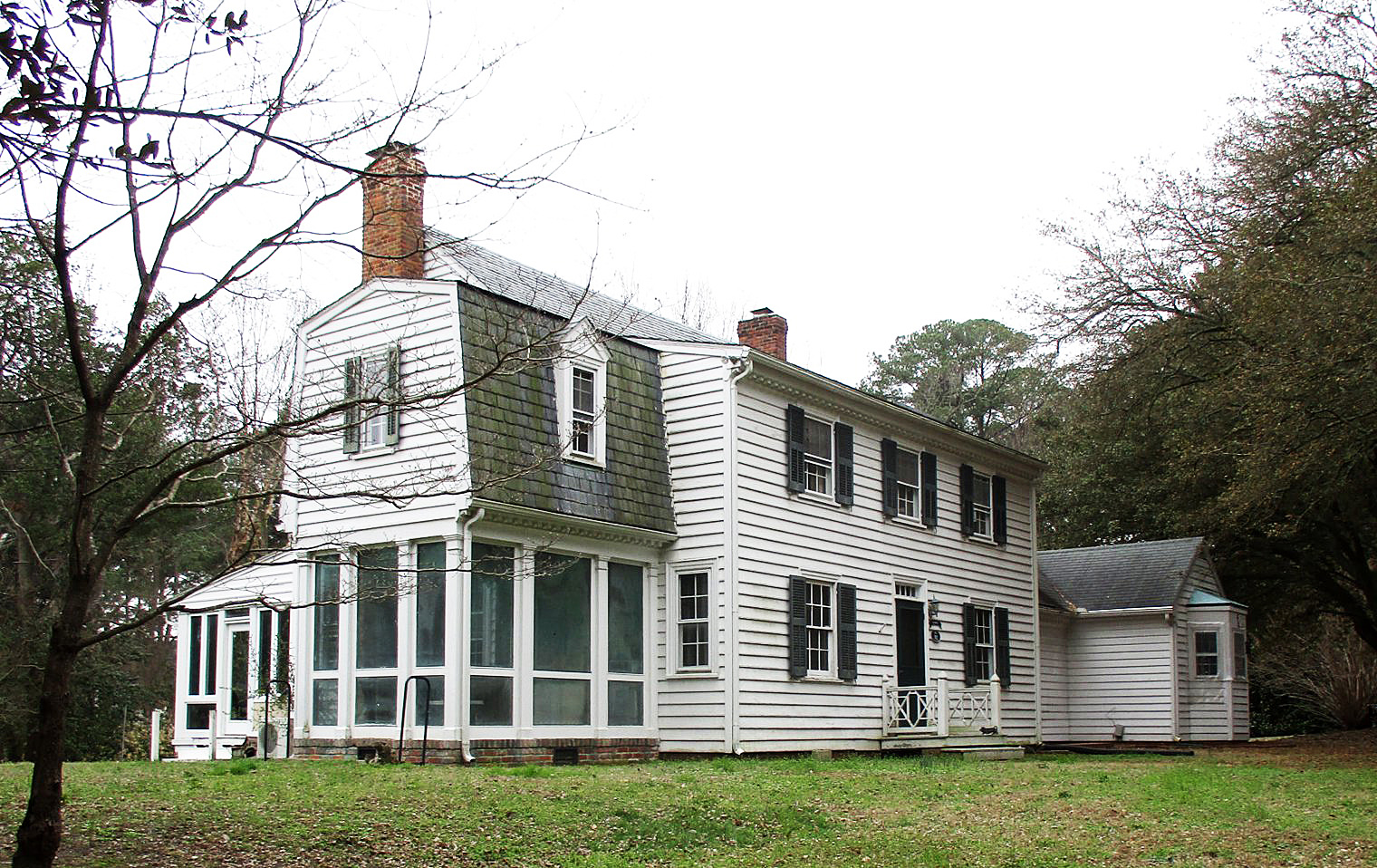
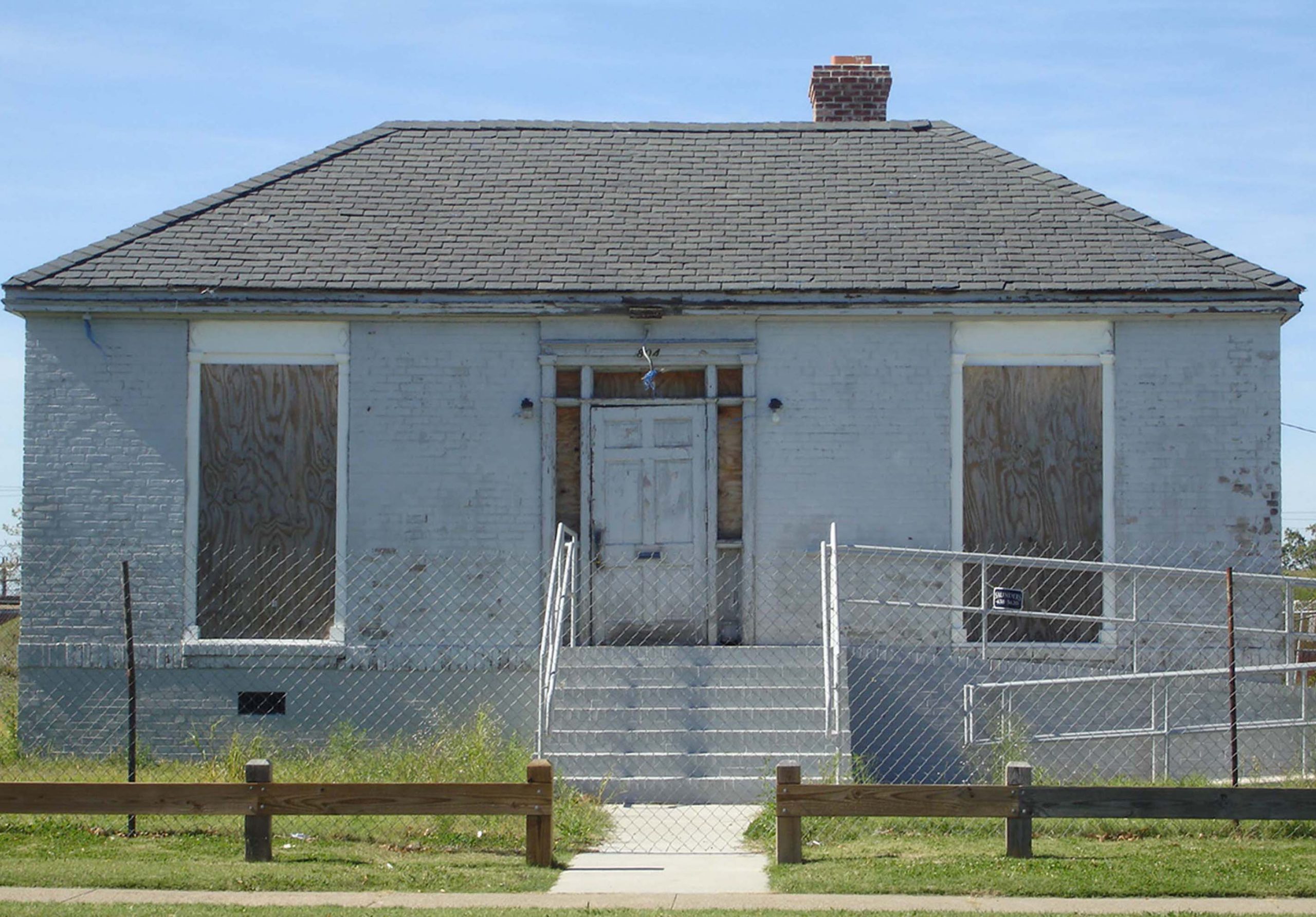
Port Norfolk exemplifies late-19th-century efforts to accommodate the growing demand for uncrowded neighborhoods conveniently located near shops, recreational areas, churches, and places of employment in the city of Portsmouth. Bordered on the north by the Elizabeth River, Port Norfolk began as a planned suburb consisting mostly of freestanding wooden houses. Building types range from elaborate Queen Anne piles to the ever-popular bungalows. The Port Norfolk Historic District area served successively as the glebe of Portsmouth Parish and Trinity Church, a strategic landing point in the British capture of Portsmouth and Norfolk during the American Revolution, a farm, and finally a mixed-used community. Beginning in 1890, with the formation of the Port Norfolk Land Company, and continuing to ca. 1920, the community grew to its present form consisting of streets of healthful and attractive housing for employees of nearby railroad and shipping facilities. The Port Norfolk Historic District area remains a cohesive, well-maintained neighborhood.